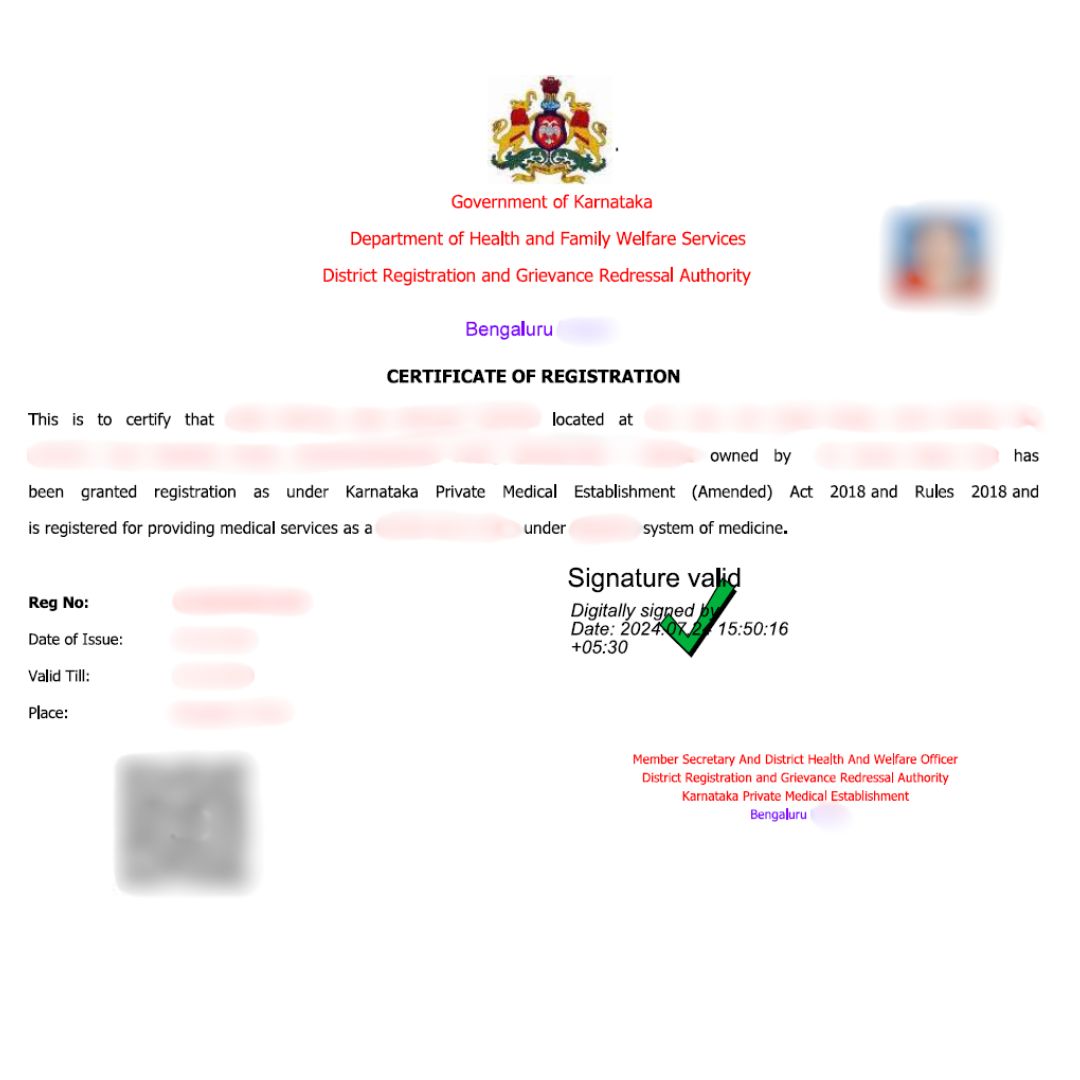
Top 5 Benefits of NABH Accreditation for Hospitals and Healthcare Providers

Top 5 Benefits of NABH Accreditation for Hospitals and Healthcare Providers

As the healthcare industry evolves, hospitals and healthcare providers are increasingly focusing on providing high-quality care to patients while adhering to the latest standards and regulations. In this context, NABH (National Accreditation Board for Hospitals and Healthcare Providers) accreditation is a highly sought-after certification. Not only does NABH accreditation validate a healthcare organization’s commitment to quality, but it also brings numerous benefits. In this article, we’ll explore the top 5 benefits of NABH accreditation for hospitals and healthcare providers.

1. Enhanced Quality of Patient Care

The primary reason hospitals and healthcare organizations seek NABH accreditation is to improve the quality of care provided to patients. NABH sets stringent standards that cover every aspect of healthcare delivery, ensuring that patients receive the highest level of care and attention. From the initial consultation to post-treatment follow-ups, NABH guidelines ensure that best practices are followed at every stage of care.

NABH accreditation encourages healthcare providers to adopt patient-centric care models. This means that patient safety, satisfaction, and outcomes are prioritized, which results in improved clinical outcomes. Healthcare facilities that achieve NABH accreditation demonstrate that they are committed to providing care that meets both international and national standards of excellence.

Key Aspects of Quality Care under NABH:

  • Safe and effective treatment practices
  • Standardized clinical care guidelines
  • Regular assessments of patient satisfaction
  • Continuous monitoring of healthcare outcomes

2. Improved Operational Efficiency and Standardization

NABH accreditation is not just about improving patient care; it also focuses on improving the internal processes of healthcare organizations. Hospitals and healthcare providers that undergo the accreditation process are required to implement standardized operating procedures (SOPs) across all functions.

This includes everything from patient admission protocols to sterilization procedures, staff training, and administrative operations. By streamlining processes and enforcing standardized procedures, NABH accreditation helps healthcare facilities improve their overall efficiency. This ensures that resources are used effectively, waste is minimized, and operational costs are reduced.

Benefits of Improved Operational Efficiency:

  • Clear roles and responsibilities for all staff
  • Streamlined patient flow and quicker turnaround times
  • Reduced operational errors and mistakes
  • Better management of resources, reducing costs

3. Increased Patient Trust and Satisfaction

In the healthcare industry, trust is everything. Patients are more likely to choose a healthcare provider that is NABH accredited because they recognize the accreditation as a symbol of quality, safety, and reliability. By becoming NABH accredited, hospitals and healthcare providers send a strong message to their patients that they are committed to maintaining the highest standards of care.

Additionally, NABH accreditation promotes a culture of transparency, patient rights, and continuous feedback. Hospitals that are NABH certified ensure that their patients’ rights are respected and that patients have access to all necessary information about their treatment. This not only builds trust but also improves patient satisfaction, as patients feel more comfortable in a healthcare environment that is committed to their well-being.

Ways NABH Increases Patient Trust:

  • Ensures patient rights are respected
  • Guarantees high standards of care
  • Encourages clear communication between healthcare providers and patients
  • Promotes patient-centered care practices

How Medasus Helps Hospitals Achieve NABH Accreditation

Navigating the NABH accreditation process can be complex — from documentation to audits and compliance. Medasus Healthcare simplifies this journey with end-to-end support designed specifically for hospitals and clinics.
Our team of experts assists in every stage of accreditation, ensuring that your facility meets NABH standards with confidence and ease.

Here’s how Medasus makes it easier:

  • 📋 Guidance on documentation and standard operating procedures (SOPs)
  • 🧑‍⚕️ Staff training and readiness programs for NABH compliance
  • 🔍 Mock audits and gap analysis to ensure successful accreditation
  • 🏆 Continuous post-accreditation support for maintaining standards

With Medasus, healthcare professionals can focus on delivering quality care while we take care of the compliance and process alignment.

4. Enhanced Competitive Edge in the Healthcare Market

In a competitive healthcare environment, hospitals and healthcare providers are constantly striving to differentiate themselves from their competitors. NABH accreditation provides a clear competitive edge by highlighting an organization’s commitment to quality and patient safety. In markets where multiple healthcare options are available, patients are more likely to choose hospitals and healthcare providers with NABH certification.

Furthermore, NABH accreditation can enhance the hospital’s marketability. Hospitals can proudly display their NABH certification on their websites, in marketing materials, and through patient-facing communications. This gives the hospital an advantage over non-accredited competitors and positions the organization as a leader in healthcare quality.

How NABH Enhances Competitiveness:

  • Recognized and respected certification in the healthcare industry
  • Differentiates accredited hospitals from non-accredited competitors
  • Strengthens marketing efforts and patient trust

5. Regulatory Compliance and Risk Management

Compliance with healthcare regulations is a critical component of any hospital or healthcare provider’s operations. NABH accreditation ensures that a healthcare facility meets both national and international standards for healthcare delivery, which helps in adhering to regulatory requirements. Hospitals and healthcare providers that are NABH accredited demonstrate that they are operating within the bounds of the law and are committed to following the highest standards of safety and care.

In addition to compliance, NABH accreditation helps healthcare providers implement robust risk management strategies. NABH standards require healthcare organizations to have systems in place to identify, manage, and mitigate risks. This includes infection control measures, patient safety protocols, and disaster management plans. By minimizing risks and improving compliance, NABH-accredited hospitals are better equipped to handle both routine and unexpected challenges.

Risk Management and Compliance Benefits:

  • Ensures adherence to national and international healthcare regulations
  • Helps hospitals maintain patient safety and minimize legal risks
  • Promotes the use of evidence-based practices and protocols
  • Reduces the likelihood of adverse events and medical errors

Why Choose Medasus for NABH Accreditation Support

At Medasus, we understand that every healthcare organization is unique. Our NABH consultancy approach is personalized, practical, and result-driven — helping hospitals achieve accreditation faster and with minimal disruption.

Why healthcare professionals trust Medasus:

  • ✅ Experienced consultants with deep knowledge of NABH standards
  • ⚙️ Streamlined process that saves time and reduces errors
  • 📈 Proven success record across hospitals and diagnostic centers
  • 💬 Dedicated support until accreditation is successfully completed

Whether you are starting your first NABH accreditation or renewing an existing one, Medasus Healthcare ensures a smooth, stress-free experience — turning accreditation into a strategic advantage for your hospital.

Conclusion

In conclusion, NABH accreditation offers significant benefits for hospitals and healthcare providers. From enhancing the quality of patient care to improving operational efficiency and gaining a competitive edge, NABH certification plays a crucial role in modern healthcare. The process of obtaining NABH accreditation may be rigorous, but the rewards it brings in terms of improved patient outcomes, trust, and marketability are well worth the investment.

For healthcare providers looking to provide the best possible care, gaining NABH accreditation should be seen as a strategic decision. Not only does it elevate the standard of care, but it also fosters a culture of continuous improvement and patient-centered practices that can have a lasting impact on both the organization and the community it serves.

Disclaimer:

The information presented in this article is intended solely for educational and informational purposes. Medasus Healthcare Pvt. Ltd. makes no representations or warranties regarding the completeness, accuracy, or reliability of the information provided. This content should not be construed as professional, legal, regulatory, or healthcare advice.

Readers are encouraged to consult qualified healthcare consultants, legal experts, or relevant authorities before making any decisions related to NABH accreditation or healthcare compliance. Regulatory requirements and standards may vary based on region, hospital type, and governing laws.

Medasus Healthcare Pvt. Ltd. assumes no responsibility or liability for any direct, indirect, or consequential loss arising from the use or reliance on the information contained in this blog.

© Medasus Healthcare Pvt. Ltd. — All rights reserved.

Sources:

National Accreditation Board for Hospitals & Healthcare Providers (NABH)
Provides detailed information about NABH standards, accreditation procedures, and benefits for hospitals and healthcare organizations in India.

Quality Council of India (QCI) – Healthcare Quality & Accreditation
The parent body of NABH, offering frameworks, policies, and resources for healthcare quality improvement and regulatory compliance across India.

World Health Organization (WHO) – Patient Safety and Quality of Care
Offers global guidelines and research on healthcare quality, patient safety, and accreditation systems that align with NABH objectives.


Understanding NABH Accreditation: A Complete Guide for Healthcare Providers

Accreditation is a key factor in ensuring the delivery of quality healthcare, and in India, the National Accreditation Board for Hospitals and Healthcare Providers (NABH) plays a critical role in maintaining high standards. NABH accreditation provides formal recognition to healthcare organizations for their adherence to quality and safety standards. Whether you’re a healthcare provider looking to understand NABH accreditation or an organization aiming for certification, this comprehensive guide will take you through the entire process.

What is NABH Accreditation?

The National Accreditation Board for Hospitals and Healthcare Providers (NABH), an autonomous body under the Quality Council of India (QCI), offers accreditation to healthcare organizations that meet established standards of quality. NABH was developed to establish a framework for hospitals, nursing homes, diagnostic centers, and other healthcare facilities to enhance patient care, improve safety, and standardize operations.

Achieving NABH accreditation assures that a healthcare provider meets a high level of operational excellence, ensuring quality healthcare services. NABH standards cover a broad spectrum, from clinical care to patient safety, service management, and healthcare infrastructure.

Why is NABH Accreditation Important for Healthcare Providers?

NABH accreditation serves multiple benefits for healthcare providers, especially hospitals and healthcare institutions, by focusing on improving patient care quality and organizational efficiency. Here’s why NABH accreditation is essential:

  1. Enhanced Quality of Care: NABH accreditation enforces rigorous standards for quality care. These standards cover every aspect of healthcare, including patient rights, clinical practices, and emergency care services, ensuring patients receive optimal treatment and care.
  2. Patient Safety: Safety is a priority for NABH, with a strong focus on preventing adverse events, reducing risks, and ensuring that patients are treated in a safe environment.
  3. Operational Efficiency: NABH accreditation helps healthcare providers streamline processes, reducing inefficiencies and improving the overall functioning of the healthcare organization.
  4. Trust and Credibility: Hospitals and healthcare institutions that are NABH accredited are trusted by patients and the community. It acts as a mark of excellence, increasing patient confidence in the services provided.
  5. Regulatory Compliance: NABH accreditation ensures that hospitals comply with regulatory requirements, helping them avoid legal risks and enhance their reputation.

How Medasus Helps with NABH Accreditation

Achieving NABH accreditation requires a deep understanding of healthcare standards, documentation, and operational excellence. At Medasus Healthcare Pvt. Ltd., we provide end-to-end NABH accreditation support to hospitals, clinics, and diagnostic centers. Our experienced consultants guide you through every stage of the process — from gap analysis and documentation to staff training, policy implementation, and pre-assessment audits.

The NABH Accreditation Process: A Step-by-Step Guide

Getting NABH accreditation is a comprehensive and structured process. Here is an overview of the stages involved:

1. Pre-Assessment Preparation

Before starting the accreditation process, a healthcare organization must assess its readiness for NABH accreditation. This involves:

  • Reviewing NABH standards: Healthcare providers must understand the NABH standards and assess how their current practices align with these requirements.
  • Internal audits: Hospitals should conduct internal audits to identify gaps in service delivery, patient care, and operational efficiency.

2. Application Submission

The first formal step in the NABH accreditation process is submitting an application. Healthcare organizations must complete and submit an online application along with the necessary documents such as their vision, mission, policies, patient care protocols, and evidence of compliance with NABH standards.

3. Self-Assessment

Following the application, the healthcare organization is required to conduct a self-assessment to determine how closely it adheres to NABH standards. This involves evaluating various processes like patient care, staff qualifications, infrastructure, and safety measures.

4. On-Site Assessment

Once the self-assessment is complete, NABH conducts an on-site assessment. A team of assessors, often consisting of healthcare experts and experienced professionals, visit the facility to evaluate its compliance with NABH standards. During the on-site assessment, the assessors review documentation, conduct interviews with staff, and observe healthcare practices in action.

5. Accreditation Decision

After the on-site evaluation, the NABH assessment team submits a report to the NABH council, which then makes the final decision regarding accreditation. If the healthcare organization meets the required standards, it is granted NABH accreditation. However, if there are discrepancies, the institution is given time to make improvements before another assessment is conducted.

6. Maintaining Accreditation

Achieving NABH accreditation is not a one-time event. Healthcare providers must adhere to the standards continually and undergo periodic assessments to maintain their accreditation. This ensures continuous improvement in patient care and operational efficiency.

Why Choose Medasus for NABH Accreditation?

Medasus Healthcare simplifies the entire NABH journey with expert guidance and customized strategies. Our team of healthcare professionals ensures that every aspect of your hospital’s operations — from patient care protocols to infection control practices — aligns with NABH requirements.

✅ Comprehensive NABH documentation and process support
✅ On-site audits and staff training
✅ Digital integration and quality management solutions
✅ Fast-track accreditation assistance with end-to-end compliance

Partner with Medasus Healthcare Pvt. Ltd. to build a trusted, accredited, and patient-focused healthcare institution.

Key NABH Standards Every Healthcare Provider Must Know

NABH accreditation is based on several key standards that healthcare organizations must meet. Some of the critical standards include:

  1. Patient Rights and Education: Ensuring that patient rights are respected, and patients are adequately informed about their treatment options.
  2. Infection Control: Implementing proper infection prevention and control measures, including sterilization and hygiene protocols.
  3. Clinical Care and Treatment: Ensuring that clinical practices adhere to evidence-based guidelines for the diagnosis and treatment of patients.
  4. Facility Management and Safety: Maintaining a safe and secure environment for patients, staff, and visitors.
  5. Quality Improvement and Risk Management: Continuously assessing and improving healthcare delivery and managing risks effectively.
  6. Leadership and Governance: Having effective leadership that ensures organizational efficiency and compliance with quality standards.

Challenges Healthcare Providers Face During NABH Accreditation

While NABH accreditation brings numerous benefits, healthcare organizations may face challenges along the way. Some common challenges include:

  • Initial investment: The cost of upgrading infrastructure and systems to meet NABH standards can be significant, particularly for smaller healthcare providers.
  • Staff training: Healthcare professionals need to be well-versed in NABH standards, which may require additional training and resources.
  • Documentation and compliance: Ensuring that all documentation is up-to-date and in compliance with NABH requirements can be a time-consuming task.

Conclusion

NABH accreditation is a rigorous but highly rewarding process that can significantly enhance the quality of care in healthcare facilities. By achieving NABH certification, healthcare providers not only demonstrate their commitment to providing high-quality patient care but also gain a competitive edge in the healthcare market. Whether you are just starting or looking to maintain your NABH accreditation, understanding the process and standards is key to success.

For healthcare organizations considering NABH accreditation, taking the first step toward certification can be the beginning of a journey toward continuous improvement, patient safety, and enhanced operational efficiency.

Disclaimer:

The information presented in this article is intended solely for educational and informational purposes. Medasus Healthcare Pvt. Ltd. makes no representations or warranties regarding the completeness, accuracy, or reliability of the information provided. This content should not be construed as professional, legal, regulatory, or healthcare advice.

Readers are encouraged to consult qualified healthcare consultants, legal experts, or relevant authorities before making any decisions related to NABH accreditation or healthcare compliance. Regulatory requirements and standards may vary based on region, hospital type, and governing laws.

Medasus Healthcare Pvt. Ltd. assumes no responsibility or liability for any direct, indirect, or consequential loss arising from the use or reliance on the information contained in this blog.

© Medasus Healthcare Pvt. Ltd. — All rights reserved.

Sources:

How to Start a Hospital in India: Step-by-Step Guide

Starting a hospital in India is a serious business decision. It needs legal approval, solid investment, skilled staff, and clear planning. With India’s growing population and rising demand for healthcare, building a hospital can be both a public service and a strong business.

Here’s a practical guide to help you understand how to open a hospital in India, what it costs, what licenses you need, and how to run it well.

Step 1: Choose the Type of Hospital

Start by picking the type of hospital you want to open:

  • General Hospital – offers basic care across multiple departments like general medicine, surgery, pediatrics, and gynecology.
  • Specialty Hospital – focuses on one field like cardiology, orthopedics, oncology, or maternity care.
  • Super-Specialty Hospital – combines multiple specializations and provides advanced diagnostic and surgical services with high-end technology.

This decision impacts your license requirements, equipment needs, staffing structure, and overall budget. Analyze local health demands and competitor hospitals to choose the right category.

Step 2: Register & Get Mandatory Licenses

Opening a hospital means following strict health regulations. Here are the necessary registrations and licenses:

1. Hospital Registration:

Apply to the Municipal Corporation or Urban Local Body to register your hospital as a clinical establishment under local bylaws.

2. CMO NOC:

You must get a No Objection Certificate from the Chief Medical Officer (CMO) of your district confirming your hospital’s infrastructure and hygiene standards.

3. Clinical Establishments Act:

Many Indian states follow the Clinical Establishments (Registration and Regulation) Act, 2010. It defines minimum standards for facilities and services. Apply to the state health department.

4. Fire Safety Clearance:

Get a fire NOC from the local fire department. You’ll need to install smoke detectors, alarms, extinguishers, emergency exits, and sprinklers.

5. Environmental Clearance:

The Pollution Control Board issues this based on biomedical waste disposal, air/water discharge, and sanitation planning.

6. Biomedical Waste Authorization:

You must tie up with authorized biomedical waste collection and disposal agencies. Apply to the State Pollution Control Board.

7. Drug License:

For operating an in-house pharmacy, you need a retail drug license from the State Drug Control Department.

8. Blood Bank License:

If your hospital will store or distribute blood, get a license from the Central Drugs Standard Control Organization (CDSCO).

9. AERB Approval:

If using radiology equipment (X-ray, CT scan), obtain permission from the Atomic Energy Regulatory Board.

10. NABH Accreditation:

Though optional, National Accreditation Board for Hospitals (NABH) certification boosts your reputation and patient trust. It also qualifies you for insurance tie-ups.

Step 3: Arrange Funding

Building a hospital can cost anywhere between ₹30 lakh to ₹20 crore depending on scale. Fund options include:

1. Doctor Loans:

Banks like HDFC, SBI, and Bajaj Finserv offer loans up to ₹80 lakh to doctors. These often come with flexible repayment and minimal paperwork.

2. Business Loans:

Non-medical entrepreneurs can apply for MSME or general business loans, although these may need collateral.

3. Private Equity & Angel Investors:

Pitch your business plan to investors in healthcare, especially for specialty or super-specialty setups.

4. Government Grants:

Schemes under Ayushman Bharat, PMJAY, or state-specific programs may support hospitals in rural or underserved areas.

Always create a detailed business plan including:

  • Capital vs operational expenses
  • Break-even point
  • Revenue models (cash, insurance, government schemes)
  • Profitability timelines

Step 4: Select the Right Location

Location matters more than you think:

  • Urban areas bring more footfall but cost more.
  • Semi-urban and rural areas have lower land costs and may attract government subsidies.

Checklist for location selection:

  • Minimum 1-acre land for 50+ beds
  • Close to public transport
  • Accessible by ambulance 24/7
  • Free from environmental or legal disputes

Obtain land use clearance if your location was not previously categorized for institutional or medical use.

Step 5: Build Hospital Infrastructure

Design the hospital layout with patient comfort, safety, and efficiency in mind.

Mandatory Facilities:

  • Reception and waiting area
  • OPD consultation rooms
  • IPD wards (general, semi-private, private)
  • Emergency room and trauma center
  • Operation theaters (minor and major)
  • ICU, NICU, PICU depending on scope
  • Diagnostic labs and imaging center
  • Blood storage unit
  • Pharmacy
  • Canteen and restrooms

Must-Have Support Systems:

  • Generator backup and UPS
  • Water treatment plant
  • HVAC systems (especially for OTs and ICUs)
  • Fire-fighting systems
  • Parking zone

Hire a professional architect familiar with hospital projects to meet national building codes.

Step 6: Recruit Qualified Staff

A hospital must maintain staff-patient ratios as per government norms.

Minimum staffing:

  • Doctors: MBBS + Specialists (Surgeons, Gynecologists, Pediatricians, etc.)
  • Nurses: 1 nurse per 6 general beds, 1 per ICU bed (24×7)
  • Lab technicians, radiographers, OT assistants
  • Pharmacists (B.Pharm or D.Pharm)
  • Hospital admin: billing, reception, HR, IT

Also employ:

  • Housekeeping and janitorial staff
  • Ambulance drivers and security guards
  • Maintenance crew for plumbing, AC, and electricity

Provide orientation, safety, and emergency response training for all staff.

Step 7: Buy Equipment & Hospital IT Systems

Essential equipment list:

  • Patient beds, monitors, wheelchairs
  • ECG, ultrasound, X-ray, CT, or MRI (if advanced)
  • Surgical instruments for OT
  • Autoclaves and sterilizers
  • Dialysis machines (if applicable)
  • Ventilators, defibrillators

IT Tools:

  • Hospital Management Software (HMS)
  • Electronic Health Records (EHR)
  • Inventory and pharmacy software
  • Patient portal for appointments

Maintain annual maintenance contracts (AMCs) for all machinery.

Step 8: Start Local Marketing

Once construction is complete and licenses are in place, start building your presence:

  • Google Business Profile – Add address, timings, photos, and contact
  • Social Media Campaigns – Facebook, Instagram, and YouTube for awareness
  • Local SEO – Add listings in Practo, JustDial, Sulekha
  • Offline Marketing – Newspaper ads, hoardings, and flyers in nearby clinics
  • Health Camps & Free Clinics – Partner with schools, societies, and NGOs

Create branding material: logo, brochures, doctor intro videos, uniforms, and signboards.

Can a Non-Medical Person Open a Hospital?

Yes. As per Indian law:

  • Ownership is open to individuals or companies
  • But clinical decisions must be made by licensed medical professionals
  • You must appoint a medical superintendent or director (MBBS + relevant experience)

As a non-doctor owner, focus on compliance, finance, HR, and marketing—leave clinical care to experts.

Cost to Start a Hospital in India (2025)

Hospital TypeEstimated Setup CostMonthly Running Cost
Small Clinic (5–10 beds)₹20–30 lakh₹1–3 lakh
Medium Hospital (30–50 beds)₹1.5–3 crore₹6–12 lakh
Multi-specialty (100+ beds)₹5–20 crore₹20–50 lakh

Cost heads include:

  • Land purchase or lease
  • Civil construction and interiors
  • Equipment purchase
  • Licensing and registration
  • Salaries and training
  • Marketing and branding
  • Utility and maintenance bills

Final Thoughts

Starting a hospital setup in India requires clear planning, significant investment, and strict compliance. When done right, it can create both financial returns and meaningful social impact. Focus on delivering quality care, building local trust, choosing the right infrastructure and equipment, and managing your finances wisely for a successful hospital setup.

If you meet the standards and stay patient during setup, your hospital can become a long-lasting, trusted name in Indian healthcare.

FAQs:

1. How much does it cost to start a hospital in India?

The cost ranges from ₹20–30 lakh for a small clinic to ₹5–20 crore for a multi-specialty hospital. The final amount depends on the location, size, equipment, and facilities offered.

2. Can a non-doctor open a hospital in India?

Yes, a non-medical person can open a hospital, but they must hire licensed medical professionals and comply with all healthcare laws.

3. What licenses are required to start a hospital in India?

Key licenses include hospital registration, CMO NOC, Clinical Establishments Act registration, fire and environmental clearances, pharmacy and biomedical waste licenses, and others, depending on services offered.

4. How long does it take to open a hospital in India?

Setting up a hospital typically takes 8–18 months. This includes planning, construction, getting approvals, hiring staff, and procurement.

5. What is the profit margin in running a hospital?

Profit margins vary, but well-managed hospitals can expect 10–30% net margins over time, depending on the services and scale.

Disclaimer:

This blog is for informational purposes only. The laws, regulations, and costs mentioned may vary by state and over time. Always consult legal and financial professionals or the appropriate government authorities before starting a hospital project.

Best Healthcare Products in Bangalore for Clinics & Hospitals

Best Healthcare Products in Bangalore for Clinics & Hospitals

Bangalore is known as India’s top healthcare destination, attracting patients from all over the world with its excellent medical facilities and advanced technology. The city is home to some of the best hospitals and specialty clinics in the country, creating a thriving environment that requires exceptional healthcare products in Bangalore.

The success of any medical facility relies heavily on the quality of its medical equipment and supplies. From complex diagnostic machines to basic patient monitoring systems, every piece of equipment is vital in providing excellent patient care. Medical equipment companies in Bangalore recognize this critical need and have positioned themselves as trusted partners for healthcare providers.

The city’s medical community is supported by various specialized medical equipment stores in Bangalore, each offering tailored solutions to meet specific healthcare needs. These suppliers go beyond just selling medical equipment – they provide comprehensive solutions that revolutionize how clinics and hospitals function.

Choosing high-quality medical supplies from reputable suppliers is crucial for any healthcare facility aiming to deliver outstanding patient outcomes. The right equipment can make all the difference between smooth patient care and operational difficulties.

Top Healthcare Product Suppliers in Bangalore

The healthcare landscape in Bangalore thrives on the expertise of specialized healthcare product suppliers in Bangalore who understand the unique requirements of medical facilities. These suppliers bridge the gap between cutting-edge medical technology and practical healthcare delivery, ensuring that clinics and hospitals have access to reliable, innovative solutions.

Leading suppliers in the region focus on comprehensive service offerings that extend beyond simple product delivery. They provide integrated solutions encompassing installation, training, maintenance, and ongoing technical support. This approach ensures that healthcare equipment operates at peak efficiency while minimizing downtime that could impact patient care.

Medasus Healthcare Pvt Ltd

Medasus stands out as a prominent player in Bangalore’s healthcare supply ecosystem, demonstrating unwavering commitment to delivering superior medical products and comprehensive turnkey solutions. The company’s approach centers on understanding the specific needs of each healthcare facility, whether it’s a small clinic or a large multi-specialty hospital.

The company’s extensive portfolio includes:

  • Advanced radiology equipment featuring state-of-the-art imaging systems
  • Patient monitoring systems with real-time data analytics capabilities
  • Hospital infrastructure solutions designed to optimize workflow efficiency
  • Diagnostic equipment supporting accurate and timely medical assessments

Medasus Healthcare’s impact on Bangalore’s healthcare sector becomes evident through their successful implementations. A recent project at a leading cardiac care center involved installing integrated patient monitoring systems that reduced response times by 40% during critical care situations. The solution included wireless monitoring capabilities that allowed medical staff to track multiple patients simultaneously while maintaining mobility throughout the facility.

Kpme

KPME Renewal | Need KPME Certification?

✅ Fast | 🔒 Secure | 🏥 Trusted by Hospitals

👉 Get Certified with Medasus Healthcare

Another notable implementation at a multi-specialty hospital showcased Medasus’s expertise in radiology equipment deployment. The installation of advanced imaging systems resulted in a 30% increase in diagnostic accuracy while reducing patient waiting times significantly. The equipment’s user-friendly interface enabled technicians to perform complex procedures with greater confidence and precision.

These real-world applications demonstrate how strategic partnerships with reliable suppliers like Medasus Healthcare directly translate into improved patient outcomes and operational efficiency for Bangalore’s medical facilities.

Wide Range of Healthcare Products Available for Clinics & Hospitals in Bangalore

Medical devices suppliers in Bangalore offer comprehensive solutions that transform healthcare delivery across the city’s medical facilities. Medasus stands at the forefront, providing specialized equipment tailored to meet diverse clinical requirements.

The product portfolio includes:

  • Advanced diagnostic equipment: CT scanners, MRI machines, and ultrasound systems
  • Patient monitoring systems: Real-time vital sign monitors and telemetry solutions
  • Surgical instruments: Precision tools for various medical procedures
  • Digital healthcare infrastructure: Integrated hospital management systems

Medical equipment suppliers in Bangalore understand that patient care quality enhancement depends on reliable, cutting-edge technology. You can access state-of-the-art medical products that streamline workflows while improving diagnostic accuracy.

Healthcare products in Bangalore

Quality healthcare products directly impact treatment outcomes. When you invest in superior equipment from established suppliers, you ensure consistent performance and reduced downtime. These products enable healthcare professionals to deliver precise diagnoses, monitor patients effectively, and maintain the highest standards of care that Bangalore’s medical community demands.

Conclusion

Selecting the best healthcare equipment suppliers in Bangalore is a critical decision that directly impacts patient outcomes and operational efficiency. Your choice of partner determines the quality of care you can deliver to your community.

Top healthcare equipment providers in Bangalore like Medasus Healthcare demonstrate how the right supplier relationship transforms healthcare delivery through:

  • Comprehensive product portfolios meeting diverse clinical needs
  • Reliable technical support and maintenance services
  • Cost-effective solutions that maximize your investment
  • Training programs ensuring optimal equipment utilization

The abundance of healthcare products in Bangalore creates opportunities for clinics and hospitals to access cutting-edge medical technology. You benefit from competitive pricing, local support networks, and faster service response times when working with established regional suppliers.

Your supplier choice shapes your facility’s reputation, patient satisfaction scores, and long-term sustainability in Bangalore’s competitive healthcare landscape.

FAQs (Frequently Asked Questions)

What makes Bangalore a significant hub for healthcare products and medical equipment?

Bangalore is recognized as a leading healthcare hub due to its advanced medical infrastructure, presence of numerous clinics and hospitals, and availability of high-quality healthcare products and medical equipment suppliers that cater to diverse medical needs.

Who are the top healthcare product suppliers in Bangalore?

Among the top healthcare product suppliers in Bangalore is Medasus Healthcare, known for delivering high-quality medical products and turnkey solutions including advanced radiology equipment, patient monitoring systems, and hospital infrastructure solutions.

What types of healthcare products are available for clinics and hospitals in Bangalore?

Suppliers like Medasus Healthcare offer a diverse range of healthcare products such as digital healthcare infrastructure, advanced medical devices, patient monitoring systems, radiology equipment, and other medical supplies tailored to enhance patient care quality in clinics and hospitals.

How do quality healthcare products impact patient care in Bangalore’s medical facilities?

Quality healthcare products significantly enhance patient care by improving diagnostic accuracy, treatment efficiency, and overall hospital infrastructure. This leads to better patient outcomes and increased operational efficiency in Bangalore’s clinics and hospitals.

Can you provide examples of how Medasus Healthcare has contributed to improving healthcare delivery in Bangalore?

Medasus Healthcare has implemented advanced radiology equipment and patient monitoring systems in various clinics and hospitals across Bangalore, resulting in improved efficiency, enhanced patient monitoring capabilities, and superior care delivery outcomes.

Why is selecting the right healthcare equipment supplier important for medical facilities in Bangalore?

Choosing the right supplier ensures access to reliable, high-quality medical equipment and supplies that meet specific clinical needs. This selection directly influences the quality of patient care, operational efficiency, and long-term success of healthcare facilities in Bangalore.

How Medasus Makes KPME Registration Easy for Clinics & Hospitals

How Medasus Makes KPME Registration Easy for Clinics & Hospitals

KPME

The Karnataka Private Medical Establishments (KPME) Act is an important law that regulates healthcare in Karnataka. It gives the Directorate of Health Services the power to supervise private medical facilities and make sure they follow strict quality and safety rules.

According to the KPME Act, all private healthcare facilities must register with the Karnataka State Government. This includes:

  • Clinics
  • Hospitals
  • Diagnostic centers
  • Medical laboratories

The registration process is a way to ensure that medical establishments maintain high standards in:

  • Infrastructure
  • Hygiene
  • Medical practices
  • Professionalism
  • Waste disposal

For clinic owners and hospital administrators in Karnataka, understanding KPME registration is not just about following the law—it’s about showing your dedication to patient care. The process confirms that your facility meets established healthcare standards, earning the trust of patients and regulatory authorities.

Understanding KPME Registration

The Medical Council plays a crucial role in regulating private medical establishments across Karnataka. This regulatory body ensures healthcare facilities maintain high standards of medical practice, patient safety, and professional ethics. The council’s responsibilities include:

  • Inspecting medical facilities for compliance
  • Evaluating staff qualifications and credentials
  • Monitoring adherence to healthcare protocols
  • Issuing registration certificates
  • Conducting periodic audits

Private medical establishments must align their operations with the Medical Council’s guidelines to obtain and maintain valid KPME registration. These requirements cover areas such as infrastructure, staffing, equipment, and safety protocols.

 KPME Renewal | Need KPME Certification?

✅ Fast | 🔒 Secure | 🏥 Trusted by Hospitals

👉 Get Certified with Medasus Healthcare

How Medasus Healthcare Pvt Ltd Can Help

Medasus Healthcare specializes in guiding healthcare facilities through the complex KPME registration process. Their services include:

  • Document preparation: Organizing required certificates, licenses, and permits
  • Compliance assessment: Evaluating facility readiness against KPME standards
  • Application support: Managing submission and follow-up procedures
  • Legal guidance: Interpreting regulatory requirements
  • Infrastructure planning: Advising on facility modifications

The firm’s expertise helps clinics and hospitals avoid common registration pitfalls. Their team works directly with healthcare providers to ensure each aspect of the medical establishment meets regulatory standards, including adhering to the comprehensive guidelines outlined in the Medasus Healthcare regulations manual. This hands-on approach streamlines the registration process, reducing delays and potential compliance issues.

Step-by-Step Guide to KPME Registration

Navigating the KPME registration process requires careful attention to detail and proper documentation. Here’s a comprehensive breakdown of the registration steps for your clinic, hospital, or diagnostic center:

1. Initial Application Submission

  • Complete the official KPME application form
  • Attach proof of ownership/lease agreement
  • Include detailed floor plans of your facility
  • Submit medical qualification certificates

2. Local Authority Clearances

  • Obtain NOC from municipal authorities
  • Secure zoning compliance certificate
  • Submit building safety certification
  • Verify local health department requirements

3. Safety and Waste Management

  • Schedule fire safety inspection
  • Install required fire safety equipment
  • Set up a biomedical waste management system
  • Arrange regular waste disposal protocols

4. Staff and Equipment Documentation

  • Prepare staff qualification records
  • Create equipment inventory lists
  • Document maintenance schedules
  • Include staff training certificates

Common Registration Challenges and Solutions

Documentation Delays

  • Keep digital copies of all documents
  • Create a document checklist
  • Start collecting paperwork early
  • Maintain organized filing systems

Inspection Requirements

  • Schedule inspections proactively
  • Prepare the facility according to the guidelines
  • Address deficiencies immediately
  • Document all improvements made

Compliance Issues

  • Study KPME requirements thoroughly
  • Implement necessary changes early
  • Maintain regular compliance checks
  • Update protocols as needed

Technical Difficulties

  • Keep backup copies of applications
  • Save submission confirmations
  • Document all communication
  • Follow up regularly on submissions

The registration process typically takes 30-45 days when all documents are properly submitted. Regular follow-ups with authorities can help expedite the process and ensure smooth processing of your application.

Kpme

Essential Documents for KPME Registration

A successful KPME registration requires a comprehensive set of documents. Here’s what you need to prepare:

For the Application

  • Application Form – The official form from the Directorate of Health Services
  • Ownership Documentation – Property deed or lease agreement of your medical establishment
  • Building Plan – Certified blueprint showing compliance with health and safety requirements

For Medical Qualifications

  • Medical Qualifications – Certified copies of:
  • Medical degrees
  • Registration certificates
  • Professional qualifications of owners/chief medical officer
  • Professional CertificationsMedical Council registration certificate
  • Fire safety clearance
  • Bio-medical waste disposal certification
  • NOC from the local municipal authority

Additional Documents for Your Medical Establishment

  • Equipment inventory with maintenance records
  • Staff details including:
  • Medical practitioners
  • Nursing staff
  • Support staff qualifications
  • Professional licenses

Important Compliance Documents

It’s essential to ensure that your medical establishment adheres to all necessary health and safety regulations. This includes maintaining proper building standards, ensuring fire safety, and following bio-medical waste disposal protocols.

Missing or incomplete documentation can delay your registration process. Medasus helps you organize and verify all required documents, ensuring a smooth submission process for your KPME registration.

Ensuring Compliance with Legal Requirements in Karnataka

Legal compliance in Karnataka’s healthcare sector requires strict adherence to specific certification requirements. The state’s regulatory framework demands that healthcare facilities maintain updated documentation throughout their operational lifecycle.

Key Legal Requirements:

1. Medical Qualifications Verification

  • Registration with Karnataka Medical Council
  • Updated professional certifications
  • Documented proof of specialized training

2. Safety Certifications

  • Fire safety clearance certificate from local authorities
  • Regular safety audit documentation
  • Emergency protocols compliance records

3. Staff Compliance Records

  • Medical staff licensing status
  • Professional development documentation
  • Background verification records

The Karnataka Private Medical Establishments Act mandates regular inspections to verify compliance. Healthcare facilities must maintain digital and physical copies of all certifications, with systematic tracking of expiration dates and renewal requirements.

Compliance Monitoring System:

  • Daily operations checklist
  • Monthly certification review
  • Quarterly compliance audits
  • Real-time documentation updates

Healthcare establishments need to implement robust systems for tracking and maintaining these requirements. A dedicated compliance officer can help ensure all certifications remain current and meet regulatory standards.

Kpme

The state authorities conduct random inspections to verify adherence to these requirements. Healthcare facilities found non-compliant face penalties, including potential suspension of their operating license.

Meeting Healthcare Standards: A Crucial Step in KPME Registration

The bio-medical waste disposal certificate is a critical requirement for KPME registration, showing that your facility is committed to properly managing medical waste. This certificate proves that you are following Karnataka’s strict rules for disposing of healthcare waste, which include:

  • Properly separating different types of medical waste
  • Storing waste safely
  • Collecting waste regularly
  • Following disposal regulations

Your no-objection certificate (NOC) from local authorities is evidence that your medical establishment operates within the allowed zoning laws. This document confirms:

  • Compliance with local building codes
  • Adherence to regulations specific to the area
  • Authorization for medical activities
  • Proper setup of infrastructure

These certificates work together to ensure that your facility maintains high healthcare standards. The bio-medical waste disposal certificate protects staff, patients, and the environment, while the NOC confirms your establishment’s legal standing within the community. You’ll need both documents ready before starting your KPME registration process to avoid potential delays or rejections.

Why Choose Medasus for Your KPME Registration Needs?

Medasus stands out as your trusted partner in navigating the complex KPME registration process. Our dedicated team brings extensive experience in healthcare compliance, having successfully guided numerous clinics and hospitals through their registration journey.

Here’s what sets Medasus apart:

  • Expert Guidance: Our specialists understand the intricacies of Karnataka’s healthcare regulations and stay updated with the latest compliance requirements
  • Streamlined Process: We handle all documentation, submissions, and follow-ups, reducing your administrative burden
  • Time-Efficient: Our proven system accelerates the registration process while maintaining accuracy
  • Dedicated Support: You’ll have a personal compliance expert available throughout your registration journey

Our client success stories speak volumes:

We offer comprehensive services including:

  • Pre-registration assessment
  • Document preparation and verification
  • Application submission and tracking
  • Post-registration compliance guidance
  • Regular updates on regulatory changes

Your success is our priority. We understand the challenges healthcare providers face in maintaining legal compliance while focusing on patient care. Let Medasus handle your KPME registration needs while you concentrate on what matters most – delivering quality healthcare services.

Contact us today to start your hassle-free KPME registration process.

FAQs (Frequently Asked Questions)

What is the KPME Act and why is it important for clinics and hospitals in Karnataka?

The KPME Act is a regulatory framework established by the Karnataka State Government to ensure quality and compliance in private medical establishments. Understanding and adhering to this act is crucial for clinics and hospitals in Karnataka to provide safe, legal, and quality healthcare services.

How does the Medical Council regulate private medical establishments under the KPME Act?

The Medical Council oversees the registration and regulation of private medical establishments in Karnataka, ensuring they meet prescribed standards. It plays a vital role in monitoring compliance with the KPME Act to maintain healthcare quality across clinics and hospitals.

What are the key steps involved in the KPME registration process for clinics and hospitals?

The KPME registration process involves submitting an application form along with essential documents such as proof of ownership, obtaining no-objection certificates from local municipal authorities, fire safety clearance certificates, and bio-medical waste disposal certificates. Coordination with fire authorities and local municipal bodies is also necessary to complete registration successfully.

Which essential documents are required for successful KPME registration?

Mandatory documents include the completed application form for KPME registration, ownership proof of the establishment, no objection certificate (NOC) from local authorities, fire safety clearance certificate, bio-medical waste disposal certificate, and proof of medical qualifications of practitioners associated with the clinic or hospital.

Why is legal compliance critical during the KPME registration process?

Maintaining legal compliance ensures that private medical establishments operate within the laws set by Karnataka’s health authorities. Compliance includes obtaining necessary certificates like fire safety clearance and bio-medical waste disposal certificates, which safeguard patients’ safety and environmental health while enhancing trustworthiness.

How can Medasus assist clinics and hospitals with their KPME registration needs?

Medasus offers expert consultancy services to simplify the KPME registration process for clinics and hospitals. They provide personalized support throughout every step, ensuring all legal requirements are met efficiently. Their experience helps overcome common challenges faced during registration, making compliance seamless for private medical establishments in Karnataka.

Understanding Turnkey Solutions for Diagnostic Centres

Understanding Turnkey Solutions for Diagnostic Centres

Turnkey solutions for diagnostic centres offer a comprehensive, all-inclusive approach to setting up fully operational medical diagnostic facilities. These solutions are designed to simplify the complex and multifaceted process of establishing diagnostic centres by entrusting a single provider with the responsibility of managing every stage—from initial planning through construction, equipment installation, and commissioning—resulting in a ready-to-use facility.

The End-to-End Nature of Turnkey Solutions

Turnkey contracts encompass a broad range of essential components that collectively ensure smooth project delivery. Key elements typically include:

  • Medical Equipment Supply: High-quality diagnostic equipment includes X-ray systems, MRI scanners, ultrasound devices, and laboratory analyzers.
  • Construction and Enabling Works: Modifications to existing buildings or new construction focusing on structural changes, room preparations, radiation shielding, and compliance with health regulations.
  • Infrastructure Setup: Installation of electrical wiring, plumbing, HVAC (Heating, Ventilation, and Air Conditioning) systems tailored to clinical requirements.
  • IT Systems Integration: Deployment of Picture Archiving and Communication Systems (PACS), Radiology Information Systems (RIS), practice management software, and electronic health records for seamless data management.
  • Interior Design: Creation of patient-friendly environments including waiting areas, examination rooms, staff facilities that adhere to ergonomics and infection control standards.
  • Quality Control Measures: Rigorous testing, calibration, and certification of equipment ensure accuracy and reliability.
  • Regulatory Compliance Management: Handling permits and certifications necessary for lawful operation within healthcare frameworks.
  • Project Planning & Feasibility Studies: Comprehensive assessment including site evaluation to determine project viability.
  • Staff Training & Handover: Equipping personnel with operational knowledge during final transition phases.

Time Efficiency

One of the most notable advantages of turnkey solutions is the dramatic reduction in project timelines. By integrating multiple activities—such as construction works running parallel with equipment procurement—these providers eliminate delays often caused by coordinating multiple contractors. This streamlining ensures faster launch times for diagnostic services that are critical in healthcare delivery.

Kpme

Cost Benefits

Turnkey providers leverage bulk purchasing power when sourcing medical equipment from reputable manufacturers, reducing overall expenditure. Moreover, consolidating services under one contract reduces administrative overheads and mitigates the risk of budget overruns thanks to clear cost structures established upfront.

Quality Control

Maintaining high quality is paramount in diagnostic centres where precision impacts patient outcomes. Turnkey solutions incorporate robust quality assurance processes throughout procurement and installation stages. Testing protocols verify that all equipment meets international standards before commissioning. Certification guarantees compliance with medical safety regulations.

Key Components Explained

  • Equipment Supply: Selection of cutting-edge diagnostic tools tailored to the centre’s service scope ensures advanced capabilities for accurate diagnosis.
  • Enabling Works: Preparatory construction tasks like creating shielded rooms for radiology protect patients and staff from radiation exposure.
  • Design & Build Services: Customized architectural planning aligns physical space with operational workflows enhancing efficiency.
  • Installation Services: Skilled technicians handle complex assembly and configuration ensuring optimal machine performance.
  • Facilities Management Support: Post-installation maintenance plans prevent downtime through timely servicing.
  • Financing Options: Many turnkey providers offer flexible payment models facilitating budget management for healthcare organizations.

Advantages of Using Turnkey Solutions for Diagnostic Centres

  • Time Efficiency: Rapid deployment accelerates access to vital diagnostic services.
  • Cost-Effectiveness: Streamlined processes optimize resource utilization.
  • Quality Assurance: Consistent adherence to stringent standards reduces errors.
  • Risk Management: Single-provider accountability minimizes coordination failures.
  • Operational Excellence: Integrated systems foster smooth daily operations.
  • Resource Optimization: Centralized procurement and project management maximize investments.

Addressing Healthcare Challenges Through Turnkey Diagnostic Centres

Diagnostic centres equipped through turnkey solutions contribute significantly toward overcoming prevalent healthcare barriers:

Key Healthcare Improvements

  • Enhanced accessibility to timely diagnostics reduces hospital congestion by enabling early disease detection at community levels.
  • Improved infrastructure supports advanced treatment options contributing to better patient prognoses.
Kpme

Community Benefits

  • Local economies benefit from job creation during construction and ongoing facility operations.
  • Health awareness increases through community engagement initiatives facilitated by modern diagnostic capabilities.

FAQs (Frequently Asked Questions)

What are turnkey solutions in the context of diagnostic centres?

Turnkey solutions refer to comprehensive packages where a single provider manages all facets involved in setting up a fully functional diagnostic centre—from design and construction to equipment installation and staff training—delivering a ready-to-operate facility.

What key components are included in turnkey contracts for diagnostic centre setup?

Contracts typically cover medical equipment supply, building modifications, infrastructure installation (electrical/plumbing/HVAC), IT systems integration, interior design, quality control measures, regulatory compliance support, project planning, staff training, and handover procedures.

Why is sourcing medical equipment from reputable manufacturers important in turnkey projects?

Reliable manufacturers ensure state-of-the-art technology that meets international safety standards which is vital for accurate diagnostics and long-term durability within demanding clinical environments.

How do turnkey solutions streamline the project delivery process for diagnostic centres?

By coordinating multiple interdependent activities under one umbrella provider who executes these tasks simultaneously rather than sequentially—this approach minimizes delays caused by contractor handoffs or miscommunication.

What ongoing support do turnkey providers offer after the completion of a diagnostic centre project?

Providers often include post-installation maintenance services such as routine servicing schedules, troubleshooting assistance, software updates for IT systems, and training refreshers ensuring sustained operational excellence.

How do turnkey diagnostic centres help address healthcare challenges like access and hospital burden?

They facilitate rapid establishment of local diagnostic hubs which decentralize care delivery; this means patients receive quicker diagnoses closer to home reducing strain on major hospitals while improving community health outcomes overall.

From Concept to Completion: Understanding Turnkey Hospital Projects

From Concept to Completion: Understanding Turnkey Hospital Projects

Building a modern healthcare facility requires careful planning, specialized knowledge, and smooth collaboration. Turnkey hospital projects are an innovative way to develop healthcare facilities, providing a complete solution from the initial idea to the final handover.

In this guide, we’ll take you through the detailed process of turnkey hospital construction. We’ll cover everything from designing the building and incorporating advanced technology to optimizing clinical operations.

Whether you’re a healthcare administrator, investor, or medical professional, understanding turnkey hospital projects will help you make informed decisions about your next healthcare facility development. Let’s explore how these projects simplify complex processes while ensuring the highest standards in medical care delivery.

Understanding Turnkey Hospital Projects

A turnkey hospital project is a complete development method where one contractor is fully responsible for converting an empty land into a fully functioning healthcare facility. This model removes the usual disconnected way of building hospitals, making the process smooth from initial planning to final handover.

From Concept to Completion: Understanding Turnkey Hospital Projects

What Does a Turnkey Contractor Handle?

The single contractor manages:

  • Project planning and feasibility studies
  • Architectural design and engineering
  • Construction and infrastructure development
  • Medical equipment integration
  • Staff training and facility activation

What Are the Benefits of a Turnkey Approach?

This unified approach brings significant advantages:

  • Reduced Communication Gaps: Direct coordination between all project phases
  • Streamlined Decision Making: Single point of contact for project management
  • Cost Control: Better budget management through consolidated oversight
  • Time Efficiency: Elimination of delays between different contractor handovers
  • Quality Assurance: Consistent standards maintained throughout the project

The comprehensive nature of turnkey solutions allows healthcare providers to focus on their core mission – patient care – while experienced contractors handle the complexities of hospital development. This approach has proven particularly effective for specialized medical facilities where technical expertise and healthcare-specific knowledge are crucial for success.

Kpme

Key Phases in Turnkey Hospital Projects

A successful turnkey hospital project unfolds through distinct phases, each requiring meticulous planning and execution:

1. Feasibility Studies and Budgeting

This phase involves thorough research and analysis to determine the viability of the project and establish a budget. Key activities include:

  • Site analysis and environmental impact assessment
  • Market research and healthcare demand evaluation
  • Financial modeling and ROI projections
  • Regulatory compliance verification
  • Resource allocation planning

2. Design Development

Once the feasibility studies are complete, the focus shifts to designing the hospital. This phase includes:

  • Creation of detailed architectural blueprints
  • Space optimization for medical departments
  • Integration of patient flow patterns
  • Compliance with healthcare facility standards
  • Infrastructure planning for medical equipment

3. Engineering and Construction

With the design finalized, construction can begin. This phase involves:

  • Structural engineering implementation
  • MEP (Mechanical, Electrical, Plumbing) systems installation
  • Medical gas pipeline systems setup
  • Clean room construction
  • Building automation system integration

4. Commissioning and Handover

The final phase is where everything comes together. Key activities during this stage include:

  • Equipment testing and calibration
  • Staff training programs
  • Documentation and certification
  • Quality assurance checks
  • Operational readiness verification

Each phase builds upon the previous one, creating a seamless progression from concept to reality. The systematic approach ensures every aspect of the hospital meets specific healthcare requirements while maintaining cost efficiency and project timelines. Modern turnkey projects incorporate real-time monitoring systems to track progress and maintain quality control throughout these phases.

Incorporating Advanced Healthcare Technologies and Patient-Centric Design

Modern turnkey hospital projects integrate cutting-edge medical technologies with patient-focused design elements. The setup of specialized medical units requires precise planning and execution:

Operating Theatres

  • Advanced ventilation systems meeting HTM compliance
  • Integrated imaging equipment
  • Smart surgical lighting systems
  • Real-time monitoring capabilities

Intensive Care Units

  • Patient monitoring systems
  • Emergency power backup
  • Medical gas infrastructure
  • Infection control measures

Specialty clinics demand specific technological considerations:

  • Oncology Centers: Linear accelerators, radiation therapy rooms
  • Dermatology Clinics: Laser treatment facilities, specialized lighting
  • Mental Health Units: Safety-focused design, therapeutic environments
  • Orthopedic Rehab: Physical therapy equipment, mobility assistance systems

The integration process includes careful placement of medical equipment, strategic routing of utilities, and implementation of digital health systems. These technological components work together to create an efficient healthcare environment that supports both medical staff and patient needs.

Kpme

Ensuring Clinical Efficiency Through Smart Architectural Planning and Modular Building Techniques

Smart architectural planning transforms how hospitals operate by designing layouts strategically. By carefully positioning departments, corridors, and medical facilities, we can create efficient pathways that minimize staff travel time and improve patient care delivery.

Key architectural elements include:

  • Centralized nursing stations with 360-degree visibility
  • Direct paths between emergency rooms and imaging departments
  • Strategic placement of supply rooms and medication dispensing units
  • Dedicated staff corridors separate from patient areas

Modular building techniques offer significant benefits for constructing hospitals:

  • Rapid Deployment: Pre-fabricated units reduce construction time by up to 50%
  • Cost Efficiency: Standardized components lower material waste and labor costs
  • Flexibility: Easy expansion or reconfiguration of spaces as needs change
  • Quality Control: Factory-built modules ensure consistent standards
  • Minimal Disruption: Reduced on-site construction noise and debris

The combination of smart architectural planning and modular construction creates adaptable healthcare spaces that accommodate evolving medical technologies and changing patient needs. These methods enable hospitals to maintain operational efficiency while supporting future growth and technological advancement.

Ongoing Support, Facility Upgrades, and Expertise Behind Successful Turnkey Hospital Projects

Turnkey hospital providers deliver essential post-completion services that maintain operational excellence. These services include:

  • Regular Validation Checks: Ensuring medical equipment and systems meet required healthcare standards
  • Preventive Maintenance Programs: Scheduled upkeep of critical infrastructure and medical facilities
  • Emergency Response Teams: 24/7 technical support for urgent facility issues
  • System Upgrades: Implementation of new healthcare technologies and facility improvements

The specialized knowledge required in healthcare construction sets turnkey providers apart. Their teams understand:

  • Medical gas system requirements
  • Infection control protocols
  • Healthcare-specific building codes
  • Complex medical equipment integration

Successful turnkey providers offer renovation services to modernize existing facilities while maintaining daily operations. These upgrades include:

  • Operating theater refurbishments
  • Patient ward modernization
  • Infrastructure improvements
  • Energy efficiency updates

The expertise behind turnkey hospital projects combines technical knowledge with healthcare operational understanding, creating facilities that serve both medical staff and patients effectively.

Advantages of Choosing Turnkey Solutions for Hospitals

Turnkey hospital solutions deliver exceptional value through streamlined project management. You gain significant benefits from working with a single contractor who maintains complete responsibility for your project:

  • Reduced Administrative Burden – One point of contact eliminates the need to coordinate between multiple vendors
  • Faster Decision-Making – Direct communication channels speed up approvals and problem-solving
  • Cost Control – Consolidated budgeting prevents unexpected expenses and scope creep
  • Quality Assurance – Unified oversight ensures consistent standards across all project phases
  • Risk Mitigation – A clear accountability structure minimizes delays and complications

The single contractor model creates a seamless workflow from initial planning through final implementation. This integrated approach allows healthcare providers to focus on their core mission while expert teams handle the complete project lifecycle.

Conclusion

Turnkey hospital projects are changing the way healthcare facilities are developed. With their all-in-one approach, these projects make it easier and more efficient to create hospitals that meet the specific needs of healthcare providers and patients.

By working with a single contractor who oversees every aspect of the project, communication becomes smoother, delays are minimized, and quality remains consistent from start to finish. This streamlined process is especially important in today’s fast-paced world where time is of the essence.

As technology continues to advance and patient expectations evolve, there will be a growing demand for flexible solutions in healthcare construction. Turnkey projects offer just that – the ability to adapt and incorporate new medical technologies into the design and construction process.

But it’s not just about building structures; it’s about creating spaces that promote healing and provide exceptional care. The future of healthcare lies in these integrated solutions that prioritize both functionality and comfort.

In conclusion, turnkey hospital projects have the potential to revolutionize healthcare facility development by providing comprehensive solutions that benefit all stakeholders involved – from healthcare providers to patients.

FAQs (Frequently Asked Questions)

What is a turnkey hospital project and how does it streamline hospital construction?

A turnkey hospital project is a comprehensive single-source solution where one contractor manages the entire hospital development process from concept to completion. This approach streamlines hospital construction by providing a unified management structure, reducing coordination complexities compared to engaging multiple vendors.

What are the key phases involved in executing a turnkey hospital project?

The key phases of a turnkey hospital project include conducting feasibility studies and budgeting, developing design proposals tailored to healthcare needs, managing engineering and construction execution, and finally commissioning and handing over the completed facility.

How are advanced healthcare technologies and patient-centric designs incorporated in turnkey hospital projects?

Turnkey projects integrate specialized medical units such as operating theatres, ICUs, oncology centers, dermatology clinics, mental health facilities, and orthopedic rehabilitation units. These projects leverage cutting-edge healthcare technology to create patient-centric environments that support effective clinical care.

What benefits do smart architectural planning and modular building techniques offer in hospital construction?

Smart architectural planning enhances clinical workflows by optimizing space and functionality. Modular building techniques provide cost savings, rapid deployment, and flexibility in capacity expansion—making them ideal for efficient healthcare facility development within turnkey projects.

What ongoing support and facility upgrades are provided after completing a turnkey hospital project?

Post-completion services typically include maintenance support, facility renovation, and validation services. These ensure the hospital remains compliant with healthcare standards and continues operating efficiently. Specialized expertise in healthcare construction is vital for successful ongoing facility management.

Why should hospitals choose turnkey solutions for their construction projects?

Choosing turnkey solutions offers streamlined project delivery with single-point accountability. This simplifies coordination as one contractor is responsible for all aspects of the project lifecycle—from initial concept through final handover—resulting in reduced risks, improved timelines, and enhanced quality for healthcare providers and patients alike.

14 Hospitals Fined in Bengaluru for KPME Act Violations, FIRs Filed Against 5

14 Hospitals Fined in Bengaluru for KPME Act Violations, FIRs Filed Against 5

Bengaluru, July 23, 2025 – The Bengaluru district health authorities have taken strong action against several private hospitals for violating the Karnataka Private Medical Establishments (KPME) Act. In a recent crackdown, 14 hospitals were fined, and First Information Reports (FIRs) have been registered against five hospitals for more serious offenses.

This action was taken after a meeting of the KPME Registration and Grievance Redressal Authority, led by the Bengaluru Urban District Health Officer (DHO). The move is part of a wider effort to ensure private hospitals follow proper rules and regulations under the KPME Act.

What Is the KPME Act?

The KPME Act is a law that governs private medical establishments in Karnataka. It ensures that hospitals, clinics, and diagnostic centers:

  • Register with the government,
  • Follow standard procedures,
  • Maintain a qualified medical staff,
  • Provide transparent billing and patient care.

Violating this act can lead to penalties, including fines, closure of the establishment, or even legal action.

Fines Imposed on 14 Hospitals

A total of 58 cases were reviewed, and 14 hospitals were found guilty of violating the rules. These hospitals were fined between ₹15,000 and ₹75,000, depending on the severity of the violation.

Most of the violations were related to operating without a valid KPME registration, not updating licenses, or failing to follow proper standards.

So, how can Medasus Healthcare help hospitals and clinics stay safe and compliant under the KPME Act? 

Medasus offers complete support for KPME certification—from documentation and application to on-time renewal and regulatory updates. Our expert team guides healthcare providers through every step, ensuring their clinic or hospital meets all legal standards, avoids penalties, and operates with full government approval. With Medasus, healthcare establishments can focus on patient care while we handle the compliance efficiently, securely, and professionally.

Kpme

 KPME Renewal | Need KPME Certification?

✅ Fast | 🔒 Secure | 🏥 Trusted by Hospitals

👉 Get Certified with Medasus Healthcare

FIRs Filed Against 5 Hospitals KPME

While fines were imposed on many, five hospitals were found to have committed more serious offenses. As a result, police FIRs have been registered against them. The hospitals are accused of operating without proper licenses and offering unauthorized medical services.

According to health officials, these hospitals continued to run even after being ordered to shut down earlier or were functioning without any valid documents. Some were providing treatments or diagnostics without proper medical qualifications.

What Health Officials Are Saying

Dr. Srinivas, a senior officer from the Bengaluru Urban District Health Department, said:

“We are committed to making sure every hospital and clinic follows the rules. These actions are necessary to protect public health and safety.”

He added that repeated inspections will continue across the city. More hospitals may face action if they fail to comply with KPME rules.

Previous Crackdowns

This is not the first time Bengaluru authorities have acted on KPME violations. Earlier this year, the health department had fined 39 private hospitals across the city. One skin clinic was even recommended for seizure, and FIRs were registered in several other cases. These actions send a clear message that illegal or unregulated healthcare practices will not be tolerated.

What Hospitals Must Do Now

To avoid such penalties in the future, hospitals and clinics should:

  • Ensure proper registration under the KPME Act,
  • Renew their licenses on time,
  • Hire qualified medical professionals,
  • Maintain clear billing practices,
  • Provide standard treatment protocols.

Failure to follow the rules could result in strict action, including closure and criminal charges.

About the Sources

The information is primarily based on reporting by Vijaya Karnataka (July 23, 2025), detailing specific hospitals penalized and those against whom FIRs were registered, Deccan Herald+7Vijaya Karnataka

 Additional context comes from Medical Dialogues and Deccan Herald, which covered KPME Act enforcement across dozens of establishments earlier in 2025. Medical Dialogues+1Deccan Herald+1.

Disclaimer:

The information provided in this article is for general awareness and informational purposes only. It is based on publicly available news reports and official sources at the time of publication. Medasus Healthcare does not claim responsibility for the accuracy of third-party data mentioned. Readers are advised to consult appropriate authorities or legal advisors for compliance and regulatory guidance.

What is an Occupational Health Center (OHC) and Why is it Important?

Introduction

An Occupational Health Center (OHC) is a specialized medical facility designed to promote workplace health and safety. OHCs play a critical role in preventing occupational illnesses and ensuring employee well-being. As proven experts in OHC setups, Medasus Healthcare provides end-to-end solutions for establishing these centers.


Key Functions of an OHC

  • Health Monitoring
    • Conduct regular health check-ups and screenings for employees.
    • Monitor occupational hazards like exposure to chemicals or noise.
  • Emergency Care
    • Provide first aid and immediate care for workplace injuries.
    • Stabilize patients before transferring them to a hospital.
  • Health Promotion
    • Organize wellness programs and health education sessions.
    • Encourage healthy lifestyle practices among employees.
  • Regulatory Compliance
    • Ensure adherence to workplace safety regulations.
    • Maintain records of employee health and safety measures.

Conclusion

OHCs are essential for fostering a safe and healthy work environment. Medasus Healthcare specializes in setting up fully equipped OHCs tailored to your organization’s needs. Contact us today to learn more.

Top 10 Most Commonly Used Medical Equipment in Hospitals

Modern healthcare facilities depend on sophisticated medical equipment to deliver life-saving care and accurate diagnoses. From emergency rooms to operating theaters, these essential devices serve as the foundation of effective patient treatment.

Medical equipment plays a vital role in:

  • Patient Monitoring: Tracking vital signs and health status
  • Disease Diagnosis: Identifying medical conditions accurately
  • Treatment Delivery: Administering medications and therapies
  • Life Support: Maintaining critical bodily functions
  • Surgical Procedures: Enabling precise medical interventions

This comprehensive guide explores the top 10 most commonly used medical devices in hospitals: patient monitors, ventilators, infusion pumps, ECG machines, defibrillators, ultrasound machines, X-ray machines, surgical lights, autoclaves, and nebulizers. Each piece of equipment serves unique functions in delivering quality healthcare services to patients.

1. Patient Monitors

Patient monitors are essential devices used by healthcare professionals to continuously track and monitor a patient’s vital signs. These advanced tools provide real-time information on critical health parameters, allowing medical staff to respond quickly to any changes or emergencies.

Top 10 Most Commonly Used Medical Equipment in Hospitals

Key Vital Signs Monitored

Patient monitors are designed to measure and display the following vital signs:

  • Heart rate and cardiac rhythm
  • Blood pressure (systolic and diastolic)
  • Oxygen saturation levels (SpO2)
  • Respiratory rate
  • Body temperature

Features of Modern Patient Monitors

Modern patient monitors come equipped with various features to enhance their functionality and usability:

  • High-resolution displays for clear visibility
  • Customizable alerts to notify healthcare providers of abnormal readings
  • Integration with central monitoring stations in ICU settings for comprehensive patient tracking

Benefits of Patient Monitoring

The data collected by patient monitors plays a crucial role in patient care and management:

  • Early detection of potential health issues or deterioration
  • Real-time adjustments to treatment plans based on monitored parameters
  • Accurate documentation of patient progress for medical records
  • Informed decision-making by healthcare professionals

Advancements in Monitoring Technology

With advancements in technology, patient monitoring systems have evolved to include additional capabilities:

  • Wireless features for convenient data transfer
  • Integration with electronic health records (EHR) for seamless documentation
  • Remote monitoring options for healthcare providers, allowing them to oversee patients from a distance

2. Ventilators

Ventilators are life-saving devices that help patients breathe when they can’t do so on their own. These complex machines deliver precise amounts of oxygen and remove carbon dioxide from the lungs using controlled air pressure.

Top 10 Most Commonly Used Medical Equipment in Hospitals

Types of Hospital Ventilators:

  • Transport ventilators for patient movement
  • ICU ventilators for long-term support
  • Non-invasive ventilators for temporary assistance

Critical care units depend on ventilators for patients who cannot breathe independently due to:

  • Severe respiratory infections
  • Post-surgical recovery
  • Neurological conditions
  • Trauma cases

Modern ventilators come with advanced monitoring systems that keep track of:

  • Oxygen concentration
  • Air pressure levels
  • Breathing patterns
  • Patient response

These machines can adjust to each patient’s needs by using different ventilation modes, which allows healthcare providers to customize breathing support based on specific medical conditions and recovery stages.

With Medasus, healthcare professionals can focus on delivering quality care while we take care of the compliance and process alignment.

3. Infusion Pumps

Infusion pumps are essential tools in modern healthcare, delivering precise amounts of medications, fluids, and nutrients directly into a patient’s bloodstream. These devices work by using programmable settings to control various parameters such as flow rates, volume limits, time intervals, and medication concentrations.

How Infusion Pumps Work

Infusion pumps operate based on specific settings that can be adjusted according to the patient’s needs. The key factors that can be programmed into the device include:

  • Flow rates: This refers to the speed at which the fluid or medication is delivered. It can range from as low as 0.1 mL to as high as 999 mL per hour.
  • Volume limits: This setting determines the maximum amount of fluid or medication that can be infused during a specific period.
  • Time intervals: Infusion pumps allow for precise control over when and how often medications are administered.
  • Medication concentrations: The concentration of the medication being delivered can also be programmed into the pump for accurate dosing.

Key Safety Features of Infusion Pumps

To ensure patient safety and minimize the risk of medication errors, infusion pumps are equipped with several built-in safety features:

  • Built-in drug libraries: These libraries contain information about various medications, including their dosages and administration guidelines.
  • Dose error reduction systems: These systems help identify potential dosing errors before they occur by comparing the programmed settings with established guidelines.
  • Multiple alarm functions: Infusion pumps have different alarm mechanisms that alert healthcare providers in case of any issues during the infusion process.
  • Air-in-line detection: This feature detects any air bubbles in the tubing or line connected to the pump, preventing air from entering the patient’s bloodstream.

Applications of Infusion Pumps in Hospitals

Infusion pumps are widely used across various departments in hospitals for different medical procedures and treatments. Some common applications include:

  • Pain management
  • Chemotherapy administration
  • Antibiotics delivery
  • Insulin management
  • Total parenteral nutrition (TPN)
  • Blood transfusions
  • Epidural medications

These smart devices play a crucial role in ensuring accurate and safe delivery of medications, especially in complex cases where manual administration may be prone to errors.

Product Enquiry Form

Advancements in Infusion Pump Technology

With advancements in technology, infusion pumps have evolved to become even more sophisticated and user-friendly. The latest models now come with additional features such as:

  • Wireless connectivity: This allows healthcare providers to remotely monitor patients’ infusion rates and make necessary adjustments without being physically present.
  • Automatic documentation: Infusion pumps can now automatically record data related to medication delivery, making it easier for healthcare professionals to track and manage treatments.

These innovations aim to enhance efficiency, reduce paperwork, and improve overall patient care in healthcare settings.

4. ECG Machines

ECG machines capture the heart’s electrical signals through electrodes placed on a patient’s skin. These devices translate electrical impulses into wave patterns, creating a detailed map of cardiac activity.

Key Functions:

  • Records heart rhythm irregularities
  • Detects heart attacks and cardiac damage
  • Identifies structural heart abnormalities
  • Monitors pacemaker function

Clinical Applications:

  • Pre-operative cardiac assessment
  • Emergency department triage
  • Routine health screenings
  • Stress test monitoring
  • Post-cardiac event recovery tracking

Modern ECG machines feature digital displays, automated interpretation software, and wireless connectivity for instant data sharing. Portable versions enable rapid deployment in emergency situations, while advanced 12-lead ECGs provide comprehensive heart analysis for precise diagnosis.

The standard ECG reading takes 5-10 minutes, offering healthcare providers immediate insights into a patient’s cardiac health status. This non-invasive diagnostic tool remains essential for both preventive care and emergency medicine.

5. Defibrillators

Defibrillators are life-saving devices used in cardiac emergencies. They deliver controlled electric shocks to restore a normal heart rhythm. These critical devices work by interrupting chaotic electrical patterns during a cardiac arrest, allowing the heart to reset its natural pacemaker.

Types of Hospital Defibrillators:

  • Manual Defibrillators: Used by trained medical professionals who determine shock timing and energy levels
  • Automated External Defibrillators (AEDs): Self-guided devices with voice prompts for emergency response
  • Implantable Cardioverter Defibrillators (ICDs): Surgically placed devices for patients with high cardiac risk

Hospital defibrillators have advanced monitoring capabilities. This allows medical staff to track ECG readings, oxygen levels, and other vital signs during resuscitation efforts. The latest models use biphasic technology, which delivers more effective shocks at lower energy levels while reducing the risk of skin burns and heart muscle damage.

 KPME Renewal | Need KPME Certification?

✅ Fast | 🔒 Secure | 🏥 Trusted by Hospitals

👉 Get Certified with Medasus Healthcare

6. Ultrasound Machines

Ultrasound machines use high-frequency sound waves to create detailed images of internal organs, tissues, and developing fetuses. These versatile devices send sound waves through a handheld transducer, capturing the echoes to generate real-time visual representations on a monitor.

Key Applications:

  • Prenatal care and fetal development monitoring
  • Cardiovascular system assessment
  • Abdominal organ examination
  • Musculoskeletal injury diagnosis
  • Guidance for needle biopsies

The non-invasive nature of ultrasound technology offers significant advantages:

  • No radiation exposure
  • Real-time imaging capabilities
  • Cost-effective diagnostic tool
  • Minimal patient discomfort
  • Portable units available for bedside examinations

Modern ultrasound machines have advanced 3D and 4D imaging capabilities, providing healthcare providers with improved diagnostic accuracy and detailed anatomical visualization. These technological improvements enable precise measurements and detailed documentation for patient records.

7. X-Ray Machines

X-ray machines use electromagnetic radiation to create detailed images of the internal structures of your body. These powerful diagnostic tools can penetrate soft tissues, allowing them to capture clear pictures of bones, joints, and organs.

Key Applications:

  • Detecting bone fractures and dislocations
  • Identifying dental problems and cavities
  • Screening for lung conditions and chest infections
  • Locating foreign objects in the body
  • Assisting in cancer diagnosis

Safety Protocols:

  • Lead shielding protects sensitive areas of the body
  • Precise targeting ensures minimal radiation exposure
  • Healthcare professionals wear protective gear
  • Digital imaging systems reduce the need for radiation

The X-ray technology provides quick and accurate results for immediate diagnosis. Modern digital X-ray systems offer improved image quality while minimizing radiation exposure, making them safer than traditional film-based machines. Moreover, with the right protocols, such as those outlined in this NCBI resource, the risks associated with X-ray procedures can be effectively managed.

8. Surgical Lights

Surgical lights are essential equipment in operating rooms, providing optimal lighting for precise surgical procedures. These specialized lighting systems deliver bright, shadow-free illumination that replicates natural daylight, reducing eye strain during long operations.

Key features of modern surgical lighting include:

  • Adjustable color temperature (3,500K to 5,000K) to enhance tissue contrast
  • Shadow reduction technology through multiple light heads
  • Heat management systems to maintain comfortable operating temperatures
  • Sterilizable handles for positioning adjustments during procedures

Common surgical lighting types:

  • LED surgical lights: Energy-efficient with minimal heat generation
  • Halogen systems: Traditional option with warm light output
  • Ceiling-mounted arrays: Fixed installations for dedicated operating rooms
  • Mobile light systems: Flexible solutions for various medical settings

Advanced surgical lights integrate cameras and HD recording capabilities, supporting medical education and documentation needs. These systems often feature backup power supplies to ensure uninterrupted illumination during critical procedures.

9. Autoclaves

Autoclaves are essential for preventing infections in healthcare facilities. These devices, also known as pressure chamber devices, use high-pressure saturated steam at 121°C (250°F) to kill microorganisms on medical equipment and surgical instruments. The process of steam sterilization is a key aspect of how autoclaves function.

Key Sterilization Functions:

  • Destroys bacteria, viruses, fungi, and spores
  • Sterilizes surgical instruments, lab equipment, and medical supplies
  • Processes both wrapped and unwrapped items
  • Maintains sterile conditions for stored equipment

Types of Autoclave Cycles:

  • Gravity Displacement – Uses gravity to remove air from the chamber
  • Pre-vacuum – Creates a vacuum before steam injection
  • Flash Sterilization – Rapid cycle for emergency instrument processing
  • Liquid Sterilization – Specialized cycle for liquids and media

Modern autoclaves have digital controls, automated documentation, and built-in safety features. These devices follow strict protocols with specific temperature, pressure, and time settings for different types of medical equipment. Healthcare facilities usually run multiple sterilization cycles every day to ensure a steady supply of sterile instruments.

10. Nebulizers

Nebulizers are devices that convert liquid medications into a fine mist, allowing the medication to be inhaled directly into the lungs. This is especially beneficial for individuals with respiratory conditions who require targeted treatment.

Key Applications:

  • Bronchodilators for asthma management
  • Anti-inflammatory medications for COPD
  • Antibiotics for cystic fibrosis treatment
  • Saline solutions for mucus thinning

Pediatric patients benefit from nebulizers’ gentle delivery system, allowing them to receive medication through normal breathing patterns. Adults with severe respiratory conditions rely on nebulizers when inhalers prove insufficient.

The treatment sessions typically last 10-15 minutes, providing:

  • Direct medication delivery to affected areas
  • Reduced systemic side effects
  • Immediate relief during respiratory distress
  • Consistent medication distribution throughout the airways

Modern nebulizers come in portable designs, enabling patients to maintain their treatment schedules at home or while traveling.

Conclusion

Medical equipment is essential for modern healthcare. Each device is crucial for diagnosing, treating, and helping patients recover. Tools like patient monitors and nebulizers empower healthcare professionals to deliver accurate, effective, and life-saving care.

Medasus Healthcare specializes in supplying premium medical equipment to healthcare facilities. Our extensive catalog includes all essential hospital devices discussed in this guide, backed by:

  • Expert technical support
  • Comprehensive warranty coverage
  • Regular maintenance services
  • Rapid response times

Ready to upgrade your hospital’s medical equipment?

Contact Medasus Healthcare:

Trust us to equip your facility with the tools needed to deliver exceptional patient care.

FAQs (Frequently Asked Questions)

What are the top 10 most commonly used medical equipment in hospitals?

The top 10 most commonly used medical equipment in hospitals include Patient Monitors, Ventilators, Infusion Pumps, ECG Machines, Defibrillators, Ultrasound Machines, X-Ray Machines, Surgical Lights, Autoclaves, and Nebulizers. These devices play crucial roles in patient care, diagnosis, and treatment across healthcare settings.

How do patient monitors contribute to critical care in hospitals?

Patient monitors track vital signs such as heart rate, blood pressure, and oxygen levels in real-time. This continuous health assessment is essential for critically ill patients and those in intensive care units (ICU), enabling timely interventions and improved patient outcomes.

What is the role of ventilators in hospital emergency care?

Ventilators support or replace patient breathing, especially in intensive care units and emergency situations. They are vital for patients who cannot breathe adequately on their own due to illness or injury, ensuring adequate oxygen delivery and respiratory support.

Why are infusion pumps important for medication delivery in hospitals?

Infusion pumps deliver fluids, medications, or nutrients directly into a patient’s bloodstream with precision and controlled rates. This ensures patient safety by providing accurate dosing and consistent treatment during hospital care.

How do ultrasound machines aid in medical diagnostics?

Ultrasound machines use sound waves to create images of internal organs and tissues non-invasively. They are widely used for diagnostic evaluations including prenatal care and other medical assessments without exposing patients to radiation.

What services does Medasus Healthcare provide related to hospital medical equipment?

Medasus Healthcare is a trusted supplier of high-quality hospital medical equipment. They offer a range of essential devices necessary for effective patient care and provide contact information for inquiries regarding procurement of commonly used hospital medical equipment.

OT Setup and Equipment: Comprehensive Solutions for Hospitals

Introduction

Operation Theaters (OTs) are critical to any hospital’s success. Setting up a fully functional OT requires advanced equipment and a sterile environment. Medasus Healthcare specializes in providing end-to-end OT setup solutions.


Key Components of an OT Setup

  • Infrastructure
    • Modular OT designs with laminar airflow systems.
    • Sterile zones with advanced HVAC systems.
  • Surgical Equipment
    • OT tables, surgical lights, and anesthesia workstations.
    • Diagnostic tools like C-arm machines and endoscopy systems.
  • Sterilization Units
    • Autoclaves and advanced sterilization equipment to maintain hygiene.
  • Medical Gas Pipeline Systems
    • Reliable oxygen, nitrous oxide, and vacuum systems.

Why Choose Medasus Healthcare?

  • High-Quality Equipment: NABH-compliant surgical tools and devices.
  • Custom Solutions: Tailored OT setups based on your requirements.
  • Expert Installation: Professional setup for seamless operations.

Conclusion

A well-equipped ICU and OT is essential for safe, efficient, and quality patient care. As a trusted ICU and OT equipment supplier, Medasus Healthcare provides comprehensive equipment and setup solutions tailored to healthcare facility needs. Get in touch with us to explore the right solutions for your hospital.

Modernizing Healthcare Facilities: A Step-by-Step Guide

Introduction

Healthcare facilities must evolve to meet modern patient care standards. Modernization involves upgrading infrastructure, adopting advanced technology, and enhancing operational efficiency. At Medasus Healthcare, we guide hospitals and clinics through the modernization process.


Steps to Modernize Your Healthcare Facility

  • Assess Current Infrastructure
    • Identify outdated equipment and areas needing improvement.
    • Evaluate patient feedback and operational inefficiencies.
  • Upgrade Medical Equipment
    • Replace old devices with advanced options like digital imaging systems and portable diagnostic tools.
    • Invest in IoT-enabled equipment for real-time monitoring.
  • Enhance Hospital Furniture
    • Upgrade to ergonomic beds, chairs, and trolleys for better patient comfort.
    • Add modern storage solutions for improved organization.
  • Integrate Technology
    • Implement Hospital Information Systems (HIS) for digitized records.
    • Adopt telemedicine platforms to expand patient access.
  • Improve Patient Spaces
    • Renovate patient rooms with better lighting and ventilation.
    • Create comfortable waiting areas with modern seating and amenities.

Why Choose Medasus Healthcare?

  • Comprehensive Solutions: From equipment upgrades to infrastructure enhancements.
  • Expert Team: Specialists in healthcare modernization.
  • Tailored Plans: Customized strategies to meet your facility’s needs.

Conclusion

Modernizing your healthcare facility is essential for staying competitive and delivering exceptional patient care. Partner with Medasus Healthcare for seamless upgrades. Contact us today to get started.

How to Optimize Your Hospital Infrastructure for Patient Care

Introduction

A well-designed hospital infrastructure is essential for delivering quality patient care. From layout planning to operational systems, optimizing your hospital infrastructure improves efficiency, safety, and patient satisfaction. At Medasus Healthcare, we specialize in creating patient-centric hospital setups that meet global standards.


Key Aspects of Hospital Infrastructure Optimization

  • Patient-Centric Layout Design
    • Efficient Flow: Separate areas for outpatient, inpatient, and emergency services to reduce congestion.
    • Accessibility: Wheelchair-friendly corridors, ramps, and elevators.
    • Comfortable Waiting Areas: Adequate seating, ventilation, and natural lighting for patient comfort.
  • ICU and OT Setup
    • ICU Design: Advanced monitoring systems, ventilators, and ergonomic patient beds.
    • Modular OT Setup: Laminar airflow systems, sterile zones, and cutting-edge surgical equipment.
  • Infrastructure Safety
    • Fire Safety Systems: Fire alarms, sprinklers, and evacuation plans.
    • Disaster Preparedness: Emergency response protocols and backup power systems.
  • Technology Integration
    • Hospital Information Systems (HIS): Digitized patient records and appointment management.
    • Telemedicine: Remote consultation systems to expand patient access.

Benefits of Optimized Infrastructure

  • Enhanced Patient Experience: Comfortable and efficient facilities improve satisfaction.
  • Operational Efficiency: Streamlined workflows save time and resources.
  • Compliance with Standards: Adherence to NABH and other accreditation requirements.

How Medasus Healthcare Can Help

  • Custom Designs: Tailored layouts for your hospital’s unique needs.
  • End-to-End Services: From planning to execution, we handle it all.
  • Expert Team: Specialists in hospital design, safety, and technology.

Conclusion

Optimizing your hospital infrastructure is a critical step toward improving patient care and operational efficiency. Medasus Healthcare provides comprehensive Hospital infrastructure solutions to help you build a modern, efficient, and world-class healthcare facility. Contact us today to get started.

How to Choose the Right Biomedical Equipment for Your Healthcare Facility

Introduction

Choosing the right biomedical equipment is a crucial decision for any healthcare facility. With numerous options available, it’s essential to select equipment that aligns with your needs, budget, and patient care goals. Here’s a guide from Medasus Healthcare to help you make the right choice.


Key Factors to Consider

  • Quality and Reliability
    • Tip: Choose equipment from reputable manufacturers with a proven track record.
    • Why It Matters: Ensures durability, accuracy, and patient safety.
  • Compliance with Standards
    • Tip: Verify that the equipment meets NABH and other regulatory requirements.
    • Why It Matters: Avoids legal issues and ensures smooth accreditation.
  • Ease of Use
    • Tip: Opt for equipment with user-friendly interfaces and minimal learning curves.
    • Why It Matters: Reduces errors and improves efficiency.
  • After-Sales Support
    • Tip: Check for warranties, maintenance services, and spare parts availability.
    • Why It Matters: Ensures long-term reliability and cost savings.
  • Cost and Budget
    • Tip: Balance quality with affordability by comparing multiple options.
    • Why It Matters: Maximizes ROI without compromising on care quality.

Popular Biomedical Equipment Categories

  • Patient Monitoring Systems
  • Ventilators and Respiratory Devices
  • Infusion and Syringe Pumps
  • Diagnostic Imaging Equipment
  • Surgical Instruments

How Medasus Healthcare Can Help

  • Expert Guidance: Assistance in selecting the right equipment for your needs.
  • Trusted Suppliers: Access to high-quality equipment from leading manufacturers.
  • End-to-End Services: From procurement to installation and training.

Conclusion

Choosing the right biomedical equipment is key to delivering excellent patient care. As a trusted healthcare equipment supplier, Medasus Healthcare helps you make informed decisions with reliable equipment and tailored healthcare solutions. Contact us today to get started.

Healthcare Facility Modernization: Upgrading for Efficiency and Safety

Introduction

Healthcare establishments need to constantly upgrade themselves in order to cope with evolving customer demands, technological changes, safety requirements, and regulations. In whatever form your healthcare establishment exists, from hospitals and diagnostic clinics to specialty clinics, upgrading will not only make your establishment more efficient but will also enhance its safety and comfort levels.

At Medasus Healthcare we help health care establishments develop plans for modernization and carry them out. Using our knowledge of hospital infrastructure solutions, we improve the infrastructure, technology, safety systems and effectiveness of processes followed by healthcare establishments.

Table of Contents

  1. Why Healthcare Facility Modernization Matters
  2. Key Areas of Healthcare Facility Modernization
  3. Benefits of Modernizing Healthcare Facilities
  4. How Medasus Healthcare Can Help      

Why Healthcare Facility Modernization Matters

To offer quality healthcare, advanced medical machinery is not enough. Efficient infrastructure, modern technology, superior security systems and optimised processes matter a lot too. 

Outdated facilities suffer from inefficient layouts, high energy consumption, obsolete technology, insufficient comfort for patients as well as problems with following the latest safety or regulatory standards. Renovation of facilities tackles these issues by either improving the infrastructure or using digital technologies combined with effective processes. 

To implement all-encompassing upgrades, organizations can use Turnkey hospital projects and get an integrative approach to planning, infrastructure development and support.

Key Areas of Healthcare Facility Modernization

  1. Technology Upgrades

Providing good healthcare services cannot be accomplished just through the possession of sophisticated medical equipment. There are other factors that come into play as well.

The old structures are often characterized by inefficiency, excessive power consumption, outdated technology, lack of comfort on the side of the patients, and difficulties with complying with safety regulations.

The renovation process will deal with such problems by enhancing the infrastructure or applying digital technologies and effective processes.

In order to perform comprehensive renovation, the Turnkey hospital projects should be utilized.

  1. Infrastructure Enhancements

The modern infrastructure must focus on safety, functionality, sustainability, and patient comfort. Upgrades may include the installation of energy-saving LED lights, solar power systems, updated heating and ventilation system, plumbing, electricity, and clinical spaces.

Patient-oriented design is also an essential aspect to consider. Renovation of waiting areas, wards, consultation rooms, and treatment rooms can facilitate movement and provide privacy to patients.

3. Compliance and Safety

It is imperative for any healthcare facility to uphold proper levels of hygiene and safety in its operations. With modernization comes the chance to improve the safety systems such as fire alarms, fire extinguishers, emergency exit routes, and others.

The biomedical waste management system is also another area that requires consideration. Segregation and disposal systems contribute towards maintaining the hygiene standards.

4. Operational Efficiency

These are some examples of administrative activities whose efficiency can be improved through automation – scheduling appointments, accounting for money, inventory tracking, staffing arrangements, and documentation.

Just as essential is proper training of employees. They need to know how to utilize new technology, adhere to new safety rules, and operate in accordance with the new process flow.

Benefits of Modernizing Healthcare Facilities

Improved Patient Care

Advanced equipment, proper processes, and modern infrastructure can be used to ensure that diagnosis and treatment become more effective.

Greater Operational Efficiency

Automation and optimized facility layouts can reduce unnecessary delays and help staff manage daily activities more effectively.

Cost Savings

Elimination of delays through automation and an efficient plant layout will aid in better time management by employees.

Enhanced Safety

Fire safety, electricity, waste disposal, and emergency plans have all been updated to create a safer atmosphere for the patients, visitors, and staff members.

Regulatory Compliance

The process of modernization would allow healthcare organizations to align themselves with the NABH and government standards.

How Medasus Healthcare Can Help

Medasus Healthcare offers well-structured assistance to organizations that seek to improve their healthcare institutions. The hospital infrastructure solutions offered by Medasus Healthcare are tailored to take care of infrastructural, technological, security, and operational needs of the institution.

Our approach includes:

  • Assessment and Planning: Evaluating the existing facility and identifying areas that require improvement.
  • Modernization Roadmap: Developing a practical plan covering infrastructure, technology, safety, and operational upgrades.
  • Implementation: Coordinating upgrades while minimizing disruption to ongoing healthcare services.
  • Technology Integration: Supporting the adoption of appropriate digital systems and smart healthcare technologies.
  • Training and Support: Helping staff understand new systems, technologies, and updated protocols.

In order for organizations that wish to pursue a complete development process, the Turnkey hospital development projects would help to integrate the various elements in the development of healthcare facilities.

Conclusion

Modernization of healthcare facilities is a wise decision that allows for safer infrastructure, efficient operations, better customer experience, and sustainability of healthcare provision. Modernization of technology, infrastructure, safety measures, and processes allows healthcare organizations to design facilities that will be ready to face future challenges.

Medasus Healthcare is here to assist healthcare organizations in creating a realistic strategy for modernization of their facilities according to the specific needs of their facility and operations.

FAQs About Healthcare Facility Modernization

  1. What is healthcare facility modernization?

Health care facilities modernization means improving the infrastructure, technology, safety, services delivery systems, and other health care processes in accordance with the existing standards of health care needs.

2. Why should hospitals modernize their infrastructure?

Modernization may help in improving the experience of patients, efficiency in operation, safety, energy efficiency, and meeting healthcare standards

3. What areas can be upgraded during modernization?

Examples of common areas are medical facilities, electrical and HVAC systems, patient areas, fire protection, biomedical waste disposal, information technology, administrative practices, and energy-efficient measures.

4. Can an existing hospital be modernized without closing operations?

Yes, that is possible. Depending on the nature of the upgrade, most of the work can actually be done while the hospital operations are still ongoing.

5. How can Medasus Healthcare support modernization?

Services offered by Medasus Healthcare can help with assessment, planning, upgrading infrastructure, integrating technologies, implementing changes, and training employees.

Complete Guide to Healthcare Facility Registration and Licensing

Establishing a healthcare facility is not only limited to infrastructure, medical equipment, and manpower but also requires several licenses and certificates to run the facility in a legal manner.

Some of the certificates and licenses that need to be fulfilled for running a healthcare facility include AERB registration, KPME registration, PC-PNDT approval, pollution control approval, and fire safety NOC.

Getting familiar with the regulatory requirements and documentation for Karnataka health care facilities can be tough for healthcare providers. Medasus Healthcare helps the healthcare providers with all types of registration and licensing for their health care facilities.

Table of Contents

  1. What Is Healthcare Facility Registration?
  2. Key Registrations and Licenses for Healthcare Facilities
  3. AERB Registration
  4. KPME Registration in Karnataka
  5. PC-PNDT Registration
  6. Pollution Control Board Approvals
  7. Fire Safety NOC
  8. Why Proper Healthcare Licensing Is Important
  9. How Medasus Healthcare Can Help

What Is Healthcare Facility Registration?

The registration of healthcare facilities is the process of getting the appropriate permissions, certifications, and licenses needed for setting up a healthcare facility.

Based on the type of healthcare facility, its location, and the services provided by it, the registration needs of each one may be different. There can be different requirements for hospitals, clinics, diagnostic centers, imaging centers, nursing homes, and other healthcare facilities.

Appropriate registration can help the healthcare facilities in ensuring compliance with various safety and patient care standards.

Key Registrations and Licenses for Healthcare Facilities
The various registrations and clearances that a healthcare facility might need can include the following:

  • AERB registration and clearances

  • KPME registration in Karnataka

  • PC-PNDT registration

  • Pollution Control Board clearances

  • Fire Safety NOC

  • Compliance with biomedical waste management

  • Others

    These may vary based on the type and nature of healthcare facility.

1. AERB Registration

The Atomic Energy Regulatory Board (AERB) controls the use of ionizing radiation and radiation-generating instruments in India.

Healthcare institutions that use equipment like X-ray machines, CT scanning machines, and others that fall under the purview of the AERB might have to follow the guidelines set forth by the AERB.

Important Aspects of AERB Compliance

  • Registration/licensing of relevant radiation generating equipment
  • Compliance with equipment and safety regulations
  • Radiation protection measures
  • Facility configuration and shielding needs
  • Radiation safety measures
  • Trained personnel
  • Regular quality assurance and safety testing

Compliance with the AERB can help healthcare institutions keep radiation safety intact for all involved.

2. KPME Registration in Karnataka

The Karnataka Private Medical Establishments (KPME) Act is the regulatory statute governing the private medical establishments in the State of Karnataka.

Healthcare establishments in the State of Karnataka need to know their respective KPME registration requirements depending on the kind of services they offer.

KPME Registration Requirements

Depending on the establishment and its respective regulations, the registration process may entail:

  • Facility and infrastructure information
  • Information regarding the healthcare services provided by the establishment
  • Information regarding medical professionals working at the establishment
  • Documents and other related information about the establishment
  • Applicable fees and application forms

KPME Registration Services Karnataka

Health care providers searching for KPME registration services Karnataka may find the services of professionals useful for documentation, application process, regulatory requirements, and compliance issues.

Medasus Healthcare guides healthcare institutions in the process of KPME registration and assists during the relevant stages of registration.

Professional KPME registration services Karnataka may be beneficial for health care providers in avoiding documentation mistakes, understanding regulatory requirements, and simplifying the entire registration process.

3. PC-PNDT Registration

The PC-PNDT Act controls the usage of prenatal diagnostic techniques and prevents the misusage of the diagnostic technology for the purpose of sex determination.

All health institutions providing ultrasound or prenatal diagnostic tests need to adhere to the necessary provisions of the PC-PNDT Act.

Key PC-PNDT Compliance Areas

  • Facility and equipment registration
  • Competent medical staff
  • Documentation and record keeping
  • Display of relevant information
  • Adherence to relevant reporting regulations
  • Appropriate utilization of ultrasound and diagnostic technology

It is important to maintain records and comply with all regulations for continued compliance.

4. Pollution Control Board Approvals

Healthcare facilities produce biomedical waste and may also have environmental effects, which necessitate regulatory compliance.

Based on the nature of the facility and its operations, the State Pollution Control Board may require approvals/authorizations.

Significant Environmental Compliance Areas

  • Management of biomedical waste
  • Segregation and disposal of waste
  • Water/wastewater management
  • Air pollution control, as applicable
  • Environmental documentation and reporting
  • Compliance with relevant waste management regulations

Environmental compliance is crucial for healthcare facilities in minimizing risks to patients, employees, and community.

5. Fire Safety NOC

Fire safety is an important requirement for the healthcare facility because there may be patients at hospitals and clinics that need help during the time of evacuation.

Fire Safety Approval/NOC may be needed based on facility, building, area, and local rules.

Key Fire Safety Considerations

  • Fire detection and alarm systems
  • Fire-fighting equipment
  • Emergency exits
  • Evacuation plans
  • Emergency lighting and signage
  • Fire safety systems and installations
  • Periodic inspections and safety checks

Healthcare facilities should ensure that their fire safety arrangements meet the requirements applicable to their building and operations.

Why Proper Healthcare Licensing Is Important

Obtaining the required registrations and approvals is an important part of establishing a compliant healthcare facility.

1. Legal Compliance

Registration and compliance are some of the aspects that must be taken into consideration during the process of setting up a healthcare facility.

2. Patient Safety

The process of obtaining appropriate registration is aimed at ensuring compliance with regulations in order to avoid any problems associated with penalty, disruption, or non-compliance.

3. Patient Trust
Regulations help ensure that healthcare is provided in a safe environment with appropriate equipment and preparations for emergencies.
4. Smooth Operations

Completing registrations and approvals at the appropriate stage can help avoid unnecessary delays when starting or expanding healthcare services.

5. Insurance and Empanelment

Healthcare institutions may be required to furnish certain registrations and license papers by some insurers, governmental plans, or partnering institutions prior to being on the panel.

How Medasus Healthcare Can Help

Having to register multiple healthcare facilities can be a tedious process especially when starting up a new hospital, clinic, diagnostic facility, or any other healthcare facility.

Medasus Healthcare helps the healthcare facilities in registering and licensing.

Our Support Includes:

Expert Guidance:
We help identify applicable registrations and guide you through documentation and application requirements.

Documentation Support:
Our team can assist with preparing and organizing the documents required for applicable registrations and approvals.

Application Assistance:
We help coordinate the registration and application process to make it more structured and efficient.

Compliance Support:
We help healthcare facilities understand applicable regulatory requirements and prepare for relevant inspections or verification processes.

End-to-End Assistance:
From initial consultation to application and follow-up, we provide support across the applicable stages of the registration process.


Conclusion

Registration and licensing of healthcare facilities are important processes towards the development of a well-regulated and professional healthcare facility. There are various regulations from KPME registration, AERB clearances, PC-PNDT compliance to pollution and fire safety compliance.

Frequently Asked Questions

1. What registrations are required to start a healthcare facility?

The registrations needed depend upon the type of facility, location, services being offered, the equipment being used, and the regulations that apply. Registration requirements may include KPME registration, AERB approvals, PC-PNDT registration, pollution control approval, and fire safety approvals.

2. Is KPME registration required for healthcare facilities in Karnataka?

Registration requirements vary depending on the type of the facility, its location, the services provided, the machinery used and the regulatory guidelines that apply. Some of the types of registrations that are required could be KPME, AERB, PC-PNDT, pollution control and fire safety.

3. What is AERB registration used for?

The AERB is responsible for regulating the radiation safety of all radiation emitting apparatuses. If the healthcare institution uses the regulated equipment, then it may be required to obtain the appropriate AERB license or clearance.

4. Who needs PC-PNDT registration?

Healthcare facilities providing services covered under the PC-PNDT framework, including applicable ultrasound and prenatal diagnostic services, may require registration and must comply with the prescribed requirements.

5. Why is a Fire Safety NOC important for hospitals?

Fire safety approvals help ensure that healthcare facilities have appropriate fire prevention, detection, firefighting, emergency response, and evacuation arrangements as required by applicable regulations.

Turnkey Solutions for Hospital Setup: From Planning to Operations

Setting up a hospital is a complex process that involves much more than constructing a building and purchasing medical equipment. From regulatory approvals and infrastructure development to equipment procurement, furniture, and staff training, every component needs to work together to create a safe and efficient healthcare facility.

This is where Hospital setup solutions can make a significant difference. A turnkey approach allows healthcare entrepreneurs, hospital owners, and institutions to work with a single experienced partner for planning, execution, and operational readiness.

Medasus Healthcare provides comprehensive turnkey solutions designed to help healthcare facilities move from an initial concept to a fully operational hospital.

Table of Contents

  1. What Are Turnkey Hospital Setup Solutions?
  2. Key Components of a Hospital Setup
  3. Licensing and Registration
  4. Hospital Infrastructure Development
  5. Medical Equipment Procurement
  6. Hospital Furniture and Fixtures
  7. Staff Training and Operational Readiness
  8. Benefits of Turnkey Hospital Setup
  9. Why Choose Medasus Healthcare?
  10. Frequently Asked Questions
  11. Conclusion

What Are Turnkey Hospital Setup Solutions?

Turnkey hospital setup refers to an end-to-end approach where a specialized provider manages multiple stages of establishing a healthcare facility. Instead of coordinating with separate vendors for construction, medical equipment, licensing, furniture, and other requirements, hospital owners can work with one partner.

Professional Hospital setup solutions can help streamline project planning, procurement, infrastructure development, and implementation while reducing coordination challenges.

A well-planned turnkey project can include:

  • Hospital planning and project coordination
  • Licensing and registration assistance
  • Infrastructure development
  • Medical equipment procurement
  • Hospital furniture and fixtures
  • Medical gas pipeline systems
  • HVAC and electrical requirements
  • Equipment installation
  • Staff training
  • Operational readiness support

Key Components of a Hospital Setup

A successful hospital requires several interconnected components. Each department, system, and piece of equipment must be planned according to the facility’s intended services, capacity, and workflow.

1. Licensing and Registration

Healthcare facilities must meet applicable regulatory and operational requirements before beginning their services.

Depending on the location and type of facility, the setup may require assistance with registrations, certifications, and accreditation processes.

Medasus Healthcare can support healthcare businesses with relevant documentation and regulatory requirements, including assistance related to KPME registration and NABH accreditation.

2. Hospital Infrastructure Development

Infrastructure forms the foundation of an efficient healthcare facility. The design should support patient safety, infection control, staff movement, clinical workflows, and future expansion.

Hospital infrastructure may include:

  • Patient rooms
  • Emergency departments
  • Intensive Care Units (ICUs)
  • Operation Theatres (OTs)
  • Diagnostic areas
  • Pharmacy areas
  • Reception and waiting areas
  • Nursing stations
  • Sterilization areas
  • Medical storage areas

Professional Hospital infrastructure solutions focus on creating functional spaces that support both clinical requirements and operational efficiency.

Infrastructure planning may also include:

  • Medical gas pipeline systems
  • HVAC systems
  • Electrical systems
  • Plumbing
  • Fire safety systems
  • Infection-control considerations

Medical Equipment Procurement

Medical equipment is one of the most important investments in a hospital. Selecting the right equipment requires consideration of clinical requirements, patient volume, technology, quality, service support, and budget.

Depending on the hospital’s specialties, equipment may include:

  • Patient monitors
  • Ventilators
  • ECG machines
  • Defibrillators
  • Operation theatre equipment
  • Surgical instruments
  • Examination tables
  • Infusion pumps
  • Diagnostic equipment
  • Emergency medical equipment

Through integrated Hospital setup solutions, equipment procurement can be planned alongside infrastructure and departmental requirements instead of being treated as a separate activity.

This approach can help ensure that equipment is compatible with the planned clinical spaces and supporting infrastructure.

Hospital Furniture and Fixtures

Hospital furniture plays an important role in patient comfort, staff efficiency, hygiene, and space utilization.

A hospital setup may require:

  • Hospital beds
  • Bedside lockers
  • Patient trolleys
  • Wheelchairs
  • Examination couches
  • Medical storage cabinets
  • Nursing station furniture
  • Waiting-area seating
  • Stainless-steel fixtures

Furniture should be selected based on durability, functionality, hygiene requirements, and the specific needs of each department.

Staff Training and Operational Readiness

A hospital is only as effective as the people and processes operating it. Once equipment and infrastructure are installed, staff need appropriate training to use systems and equipment safely and efficiently.

Training may cover:

  • Medical equipment operation
  • Patient safety procedures
  • Equipment handling
  • Basic troubleshooting
  • Infection-control practices
  • Operational protocols
  • Emergency procedures

This final stage helps bridge the gap between completing the physical setup and becoming operationally ready.

Benefits of Turnkey Hospital Setup

Choosing an integrated approach can provide several advantages for hospital owners and healthcare organizations.

Single-Point Project Coordination

Working with one turnkey partner can reduce the need to coordinate multiple vendors and service providers.

Better Project Management

A structured project plan can help coordinate infrastructure, equipment, furniture, licensing, and other requirements.

Improved Cost Management

Centralized procurement and project planning can help organizations manage budgets and reduce unnecessary expenses.

Faster Implementation

Coordinating multiple project components under one framework can help reduce delays caused by vendor dependencies.

Integrated Infrastructure and Equipment Planning

Medical equipment requirements can be considered during infrastructure planning, helping ensure that electrical, HVAC, medical gas, and space requirements are appropriately addressed.

Why Choose Medasus Healthcare?

Medasus Healthcare provides an integrated approach to hospital development, helping healthcare organizations manage multiple requirements through a coordinated setup process.

Comprehensive Services

From initial planning and infrastructure to equipment procurement and operational readiness, Medasus Healthcare supports different stages of hospital development.

Experienced Professionals

A multidisciplinary approach brings together expertise across healthcare infrastructure, medical equipment, and hospital requirements.

Customized Solutions

Every healthcare facility has different requirements. Hospital size, specialty, patient capacity, budget, location, and clinical services can influence the setup. Medasus Healthcare can help develop solutions according to the specific needs of each project.

By combining Hospital infrastructure solutions with equipment procurement, planning, and implementation, healthcare organizations can work toward creating facilities that are functional, efficient, and prepared for long-term operations.

Frequently Asked Questions

1. What does a turnkey hospital setup include?

A turnkey hospital setup can include planning, licensing assistance, infrastructure development, medical equipment procurement, furniture, installation, staff training, and operational readiness support.

2. Why are turnkey solutions useful for hospital projects?

Turnkey solutions provide a centralized approach to project execution. This can simplify vendor coordination, improve project management, and help ensure different components of the hospital work together.

3. What are Hospital infrastructure solutions?

Hospital infrastructure solutions include the planning and development of essential physical and technical systems such as ICUs, operation theatres, patient rooms, HVAC, medical gas pipelines, electrical systems, and other hospital infrastructure.

4. Does Medasus Healthcare provide medical equipment?

Yes. Medasus Healthcare can support medical equipment procurement based on the clinical departments, services, capacity, and requirements of the healthcare facility.

5. Can hospital setup be customized according to the facility’s requirements?

Yes. A hospital setup can be customized according to factors such as hospital size, specialties, patient capacity, available space, budget, technology requirements, and operational goals.

Cart
Enquiry Cart ×
Loading....